
By Bosphorus News Geopolitics Desk
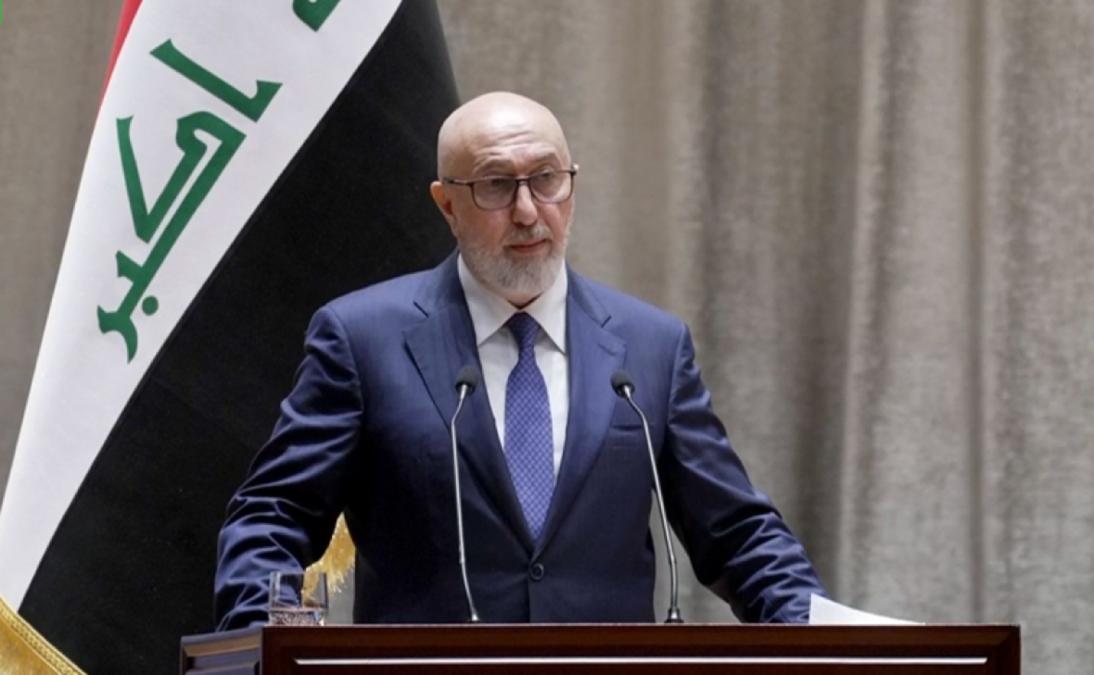
Iraq's parliament elected Nizar Amedi as president on April 11, ending months of deadlock and opening a 15-day constitutional process for the nomination of a new prime minister. Amedi, a senior figure in the Patriotic Union of Kurdistan (PUK), secured 227 votes in the second round despite a boycott by the rival Kurdistan Democratic Party (KDP), according to international reporting.
The presidency in Iraq is often treated as a largely ceremonial office, but the post carries immediate weight at this stage because the new president must charge the nominee of the largest parliamentary bloc with forming a government within 15 days. That requirement pushes Amedi's election beyond a routine power-sharing transfer and into the centre of Baghdad's next struggle over executive power.
Amedi comes out of the PUK apparatus rather than the more public-facing ranks of Kurdish politics. Party and regional profiles describe him as an engineer by training who worked in the PUK secretary-general's office in the 1990s, later served as an adviser to three Iraqi presidents, became environment minister in 2022, and since 2024 has headed the party's political office in Baghdad. The profile is closer to a career insider shaped by state institutions than to an ideological Kurdish power broker.
That career path helps explain why he emerged as a workable choice at a tense moment. He looks acceptable to Iraq's power-sharing order, usable for Shiite blocs and less likely to inflame a regional environment already under strain from the war around Iran and its fallout inside Iraq. Associated Press placed his election directly in that wartime context.
The real pressure now sits on the premiership file. Reuters and Associated Press reporting indicate that the Shiite Coordination Framework is pushing the candidacy of former prime minister Nouri al-Maliki. That is where the presidency starts to matter in practice. Maliki remains a divisive figure, and his possible return is viewed uneasily in Washington at a time when Iraq is already under regional stress.
For Türkiye, Amedi's rise introduces a variable that will be watched carefully. The PUK-KDP distinction is not neutral in northern Iraq's security equation. Ankara has worked more comfortably with the KDP in the context of cross-border security operations, while the PUK has occupied a more complicated place in Türkiye's security reading of northern Iraq. Amedi's own profile still points to a cautious institutional operator rather than a figure likely to turn the presidency into an openly confrontational platform.
The next 15 days will determine the real weight of his election. Amedi reached the presidency as a system preserving answer to deadlock. His first major decision will show how far that system can still hold.