
By Bosphorus News Geopolitics Desk
Iranian Foreign Minister Abbas Araghchi on Friday publicly thanked Azerbaijan for its humanitarian assistance and for keeping its territory open as a transit route for aid reaching Iran from third countries, in a post on his official X account that marks a notable diplomatic signal amid still-unresolved tensions between the two neighbors.
"I express my gratitude to the government and people of Azerbaijan for their humanitarian aid, as well as for the conditions created to facilitate the delivery of assistance from other countries," Araghchi wrote, adding that the support reflected the shared culture uniting the two peoples.
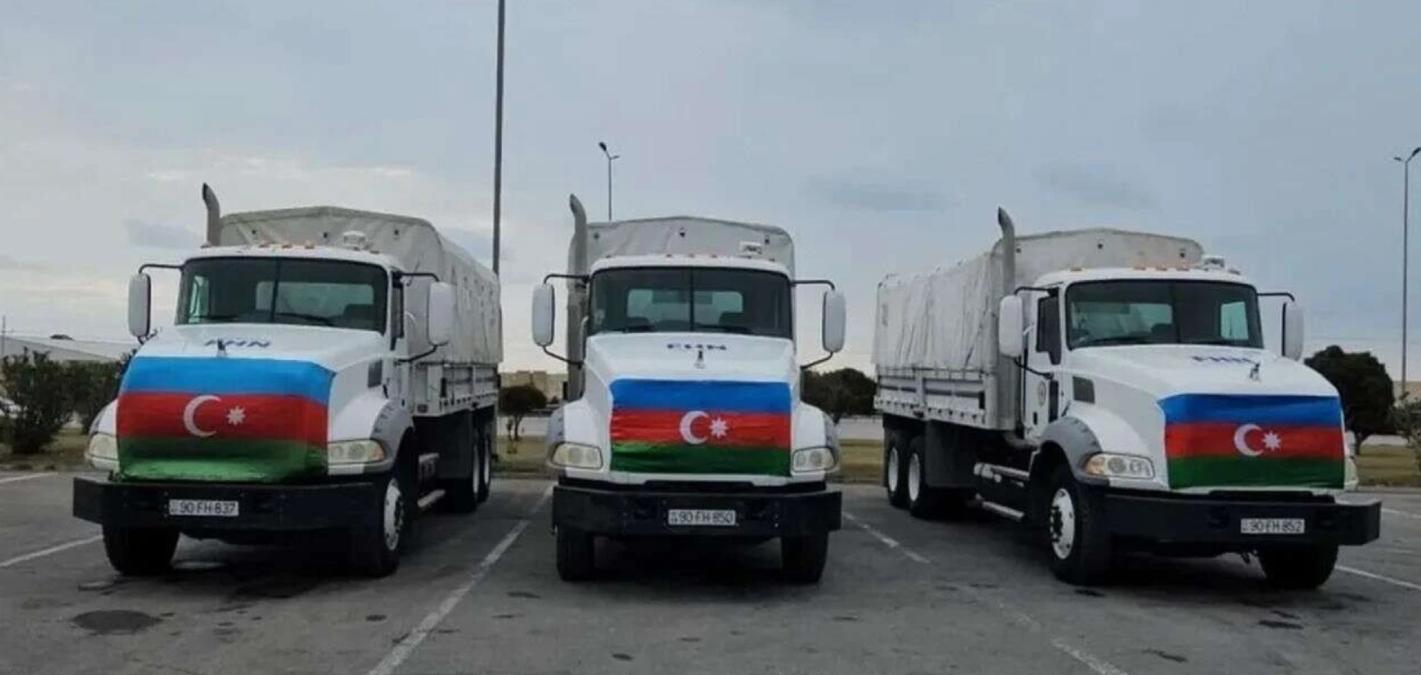
Azerbaijan dispatched 30 tons of food, medicine and drinking water to Iran on March 10, following a phone call between President Ilham Aliyev and Iranian President Masoud Pezeshkian. Baku also lifted cargo restrictions at its border with Iran on March 9 and resumed direct flights between Baku and Nakhchivan around the same time.
The gestures came despite Azerbaijan's continued insistence that Iran carried out drone strikes on its Nakhchivan exclave on March 5, striking the international airport and a school in the nearby village of Shakarabad and injuring four people. Tehran has denied involvement, with Pezeshkian telling Aliyev during their March 8 call that the incident had no connection to Iran. Baku has not publicly accepted that account, and its Foreign Ministry was still attributing the strikes to Iran as of March 9.
Araghchi's post, published Friday on his official X account, came nearly three weeks after the initial aid shipment. The public acknowledgment suggests both governments remain invested in containing the fallout from the Nakhchivan incident rather than allowing it to escalate into a broader rupture. The message also implicitly recognizes the practical value of the Azerbaijani corridor at a time when Iran's access to international humanitarian supply chains has been significantly constrained by the wider regional conflict.