
Türkiye's marine, coastal, and inland waters face an escalating ecological challenge from invasive alien species (IAS) that threaten biodiversity, fisheries, and public health. These species, often introduced via shipping, ballast water, aquaculture, and climate-driven range shifts, have expanded from the Mediterranean into the Aegean, Marmara, and Black Sea, while also establishing in rivers and lakes.
Recent studies and expert reports indicate that Türkiye's aquatic biodiversity — home to thousands of native species — is increasingly at risk from hundreds of non-native organisms. In marine environments alone, over 450 alien species have been documented, including more than 100 classified as invasive, with significant ecological and economic impact.
Scientific Observations and Regional Reports
According to Prof. Dr. Mehmet Gökoğlu and other marine ecologists, invasive bivalves such as Pacific oyster (Crassostrea gigas) and Mediterranean mussel (Mytilus galloprovincialis, non-native strains) have displaced native sea urchins and altered benthic habitats along the Antalya coast. Predatory species such as lionfish (Pterois miles) and Atlantic starfish (Asterias rubens) are spreading and consuming native fish and invertebrates, with cascading effects on local food webs.
While many associate these species with the Mediterranean, field surveys confirm that invasive organisms have reached the Black Sea. Coastal communities in İnebolu and Kastamonu report the presence of rapa whelk (Rapana venosa) and comb jelly (Mnemiopsis leidyi), illustrating that the issue now spans northern waters.
Inland waterways are not immune. Observations in river deltas, including the Kızılırmak Delta, and freshwater lakes show populations of round goby (Neogobius melanostomus), warty comb jelly (Mnemiopsis leidyi), and other non-native species competing with native fish and invertebrates. This highlights the cross-ecosystem nature of the problem.
Ecological and Socioeconomic Impacts
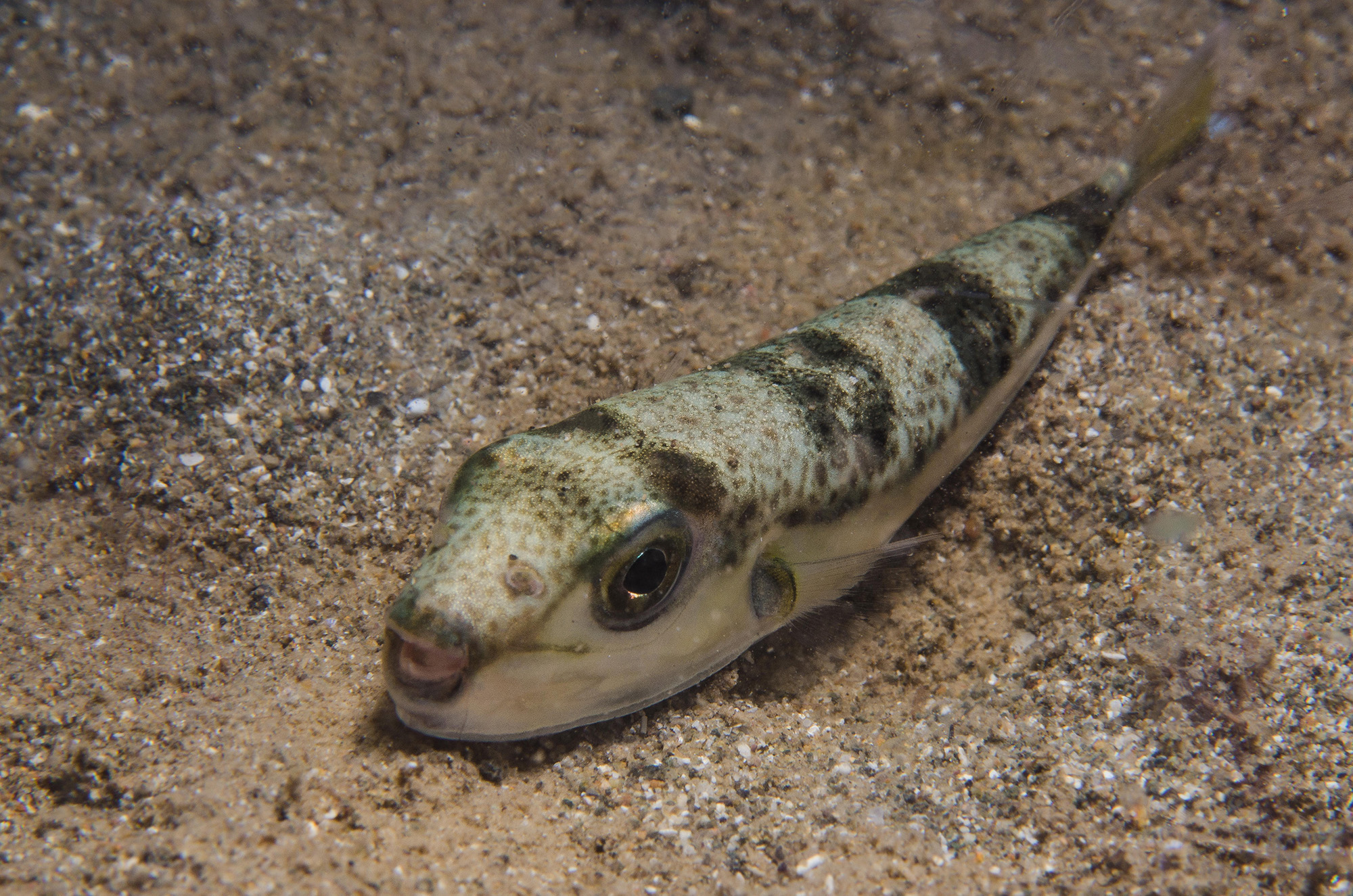
Invasive species compete with native organisms, prey on indigenous fauna, and modify habitats. Some, like lionfish (Pterois miles) and pufferfish (Sphoeroides spp.), pose direct threats to humans due to venom or toxins. These species also affect fisheries, tourism, and aquaculture by reducing stocks, increasing management costs, and disrupting livelihoods.
Policy Responses and Initiatives
Türkiye has begun systematic responses to invasive alien species. The UNDP-led Marine Invasive Alien Species (MarIAS) project, completed in 2025, produced Türkiye's first strategic action plan for invasive species, outlining prevention, early detection, rapid response, and ecosystem restoration measures through 2035.
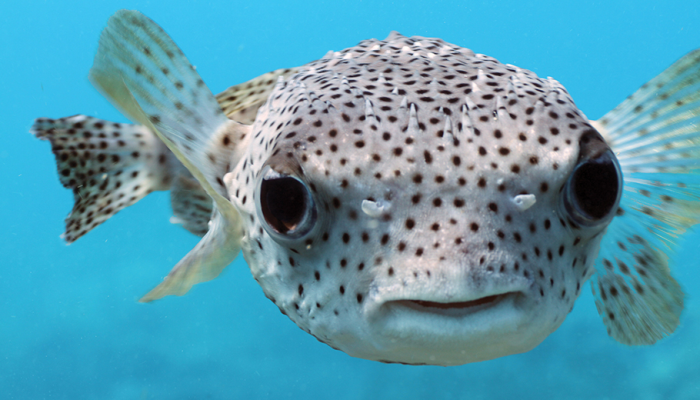
In addition, the government has introduced targeted support for the removal of invasive species. For example, incentives and procedures have been established for those capturing and controlling balloonfish (Diodon hystrix), a venomous invasive species impacting fisheries and marine safety. These measures aim to combine policy, economic incentives, and community participation to reduce invasive populations while protecting local livelihoods.
Plans are also advancing to establish an Invasive Species Monitoring Center in Antalya to strengthen real-time surveillance across marine and freshwater systems, integrating research, monitoring, and public engagement.
Conclusion: A Coordinated Approach Is Critical
Managing invasive species in Türkiye requires a combination of research, monitoring, policy implementation, and public engagement. With invasive organisms now present in seas, rivers, and lakes, integrated national and regional strategies are essential to protect biodiversity, sustain fisheries, and maintain ecosystem health.