
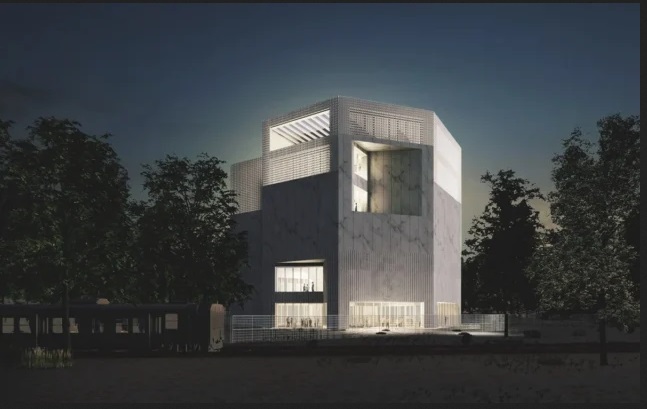
Greece has announced plans to inaugurate the Holocaust Museum of Greece in Thessaloniki in 2026, marking a significant milestone in preserving the memory of the Jewish community's heritage and the tragic events of World War II.
The museum, under development for several years, is designed to document the history of the Holocaust in Greece, particularly the fate of the country's Jewish population during the Nazi occupation. Thessaloniki, once home to a thriving Sephardic Jewish community, lost the vast majority of its Jewish residents to deportation and extermination in the early 1940s.
A Long-Term Project
Initiatives to establish the Holocaust Museum of Greece date back to the early 21st century, driven by community leaders, historians, and cultural organizations. The project received support through partnerships and funding efforts, including contributions from private foundations and international grant programs aimed at heritage preservation and intercultural dialogue.
The museum's development has involved collaboration with scholars, architects, and educators to ensure a facility that not only honors victims but also provides comprehensive historical context and resources for research and teaching.
Thessaloniki's Jewish Heritage
Thessaloniki's Jewish community was one of the largest in Europe before World War II, with roots stretching back centuries. The community played a central role in the city's economic, cultural, and social life. During the Nazi occupation of Greece, systematic deportations beginning in 1943 led to the near-total destruction of this community, a chapter now central to the museum's mission.
Officials say the institution will include permanent exhibitions, archival collections, educational spaces, and programs aimed at engaging both local residents and international visitors. Through its exhibits, the museum intends to illuminate not only historical events but also broader themes of tolerance, human rights, and the consequences of hatred.
Educational and Cultural Significance
Greece's decision to establish a national Holocaust museum reflects a growing global focus on education about the Holocaust and the preservation of survivor testimony for future generations. Museums and memorials dedicated to Holocaust remembrance serve as sites for reflection and learning, contributing to cultural understanding and efforts to prevent future atrocities.
Ministry representatives and community leaders involved in the project have emphasized that the museum will be both a memorial and an educational resource, intended to foster dialogue about historical injustice and contemporary challenges related to discrimination and exclusion.
Looking Ahead
As the scheduled 2026 opening approaches, preparations are underway to complete the museum's infrastructure, curate its collections, and launch accompanying educational initiatives. Local authorities in Thessaloniki have expressed support for the project, noting its potential to attract visitors from around the world and to stimulate ongoing scholarship and public engagement with Greece's diverse cultural history.
The Holocaust Museum of Greece is expected to stand alongside other international institutions in contributing to global remembrance and understanding of one of history's most devastating periods.