
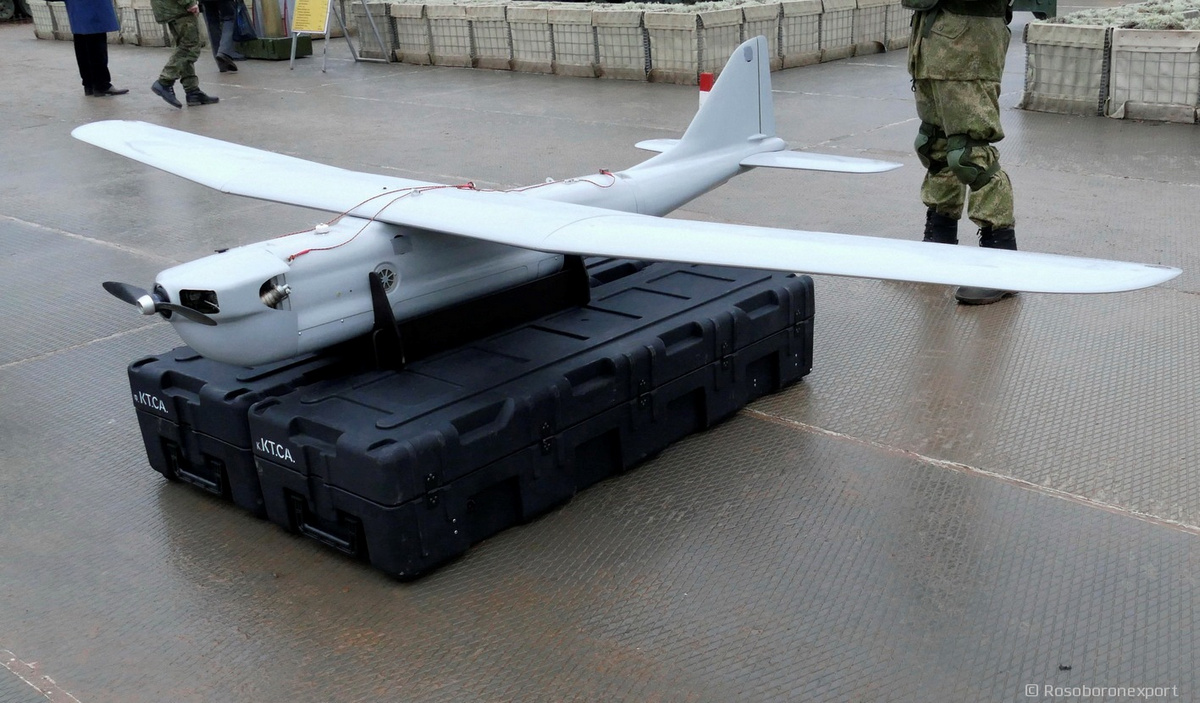
The Greek Cypriot National Guard has formally inducted Poseidon H10 surveillance drones, marking the first operational use of a domestically developed unmanned aerial system. The move represents a notable step in Cyprus's defence posture, combining capability acquisition with an effort to build indigenous technological capacity.
The Poseidon H10 is a vertical take-off and landing unmanned aerial vehicle designed for tactical intelligence, surveillance, and reconnaissance missions. Its ability to operate without a runway allows deployment across varied terrain, including coastal and remote areas. The platform supports day and night operations and provides real-time data transmission to ground control units, improving situational awareness at the tactical level.
Officials have framed the induction as part of a broader modernisation effort aimed at strengthening surveillance and monitoring functions while reducing reliance on externally sourced unmanned systems. The drones are expected to support border observation, infrastructure protection, and routine reconnaissance tasks within the National Guard's operational framework.
The system is produced by Swarmly Aero, a Cyprus-based aerospace company specialising in modular unmanned platforms. The Poseidon series has been developed with adaptability in mind, allowing different sensor packages and mission profiles depending on operational requirements.
Beyond Cyprus, the Poseidon design has gained operational relevance through its use in Ukraine, where comparable unmanned platforms have been cleared for frontline deployment. Exposure to a high-intensity conflict environment has underscored the system's endurance and functional reliability, lending additional weight to its adoption by the National Guard.
The timing of the induction also carries a regional dimension. Cyprus is expanding its unmanned capabilities within an adversarial security environment shaped by Türkiye, which has emerged as one of the world's leading drone producers and exporters. In such a setting, even limited domestic drone capacity acquires strategic relevance. Not as a force multiplier on its own, but as an indicator that defence planning is adjusting to an increasingly asymmetric technological balance driven by unmanned systems.
For the National Guard, the introduction of the Poseidon drones is less about innovation rhetoric and more about positioning. In a security environment shaped by technological competition with Türkiye, unmanned systems have become baseline capabilities rather than optional assets. The move signals an attempt, however limited, to reduce a growing gap in surveillance and situational awareness in unmanned aerial systems, an area where Türkiye's technological advantage is widely acknowledged internationally.