
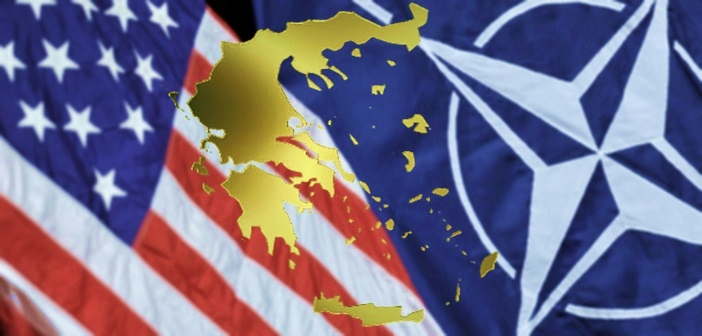
Greece has formally pledged €20 million to the NATO Prioritized Ukraine Requirements List (PURL), a joint NATO-United States mechanism designed to coordinate and fund Kyiv's most urgent battlefield needs, government officials confirmed Friday. The contribution signals Athens' intention to align with allied support for Ukraine, while also reflecting its current fiscal constraints and strategic calculations.
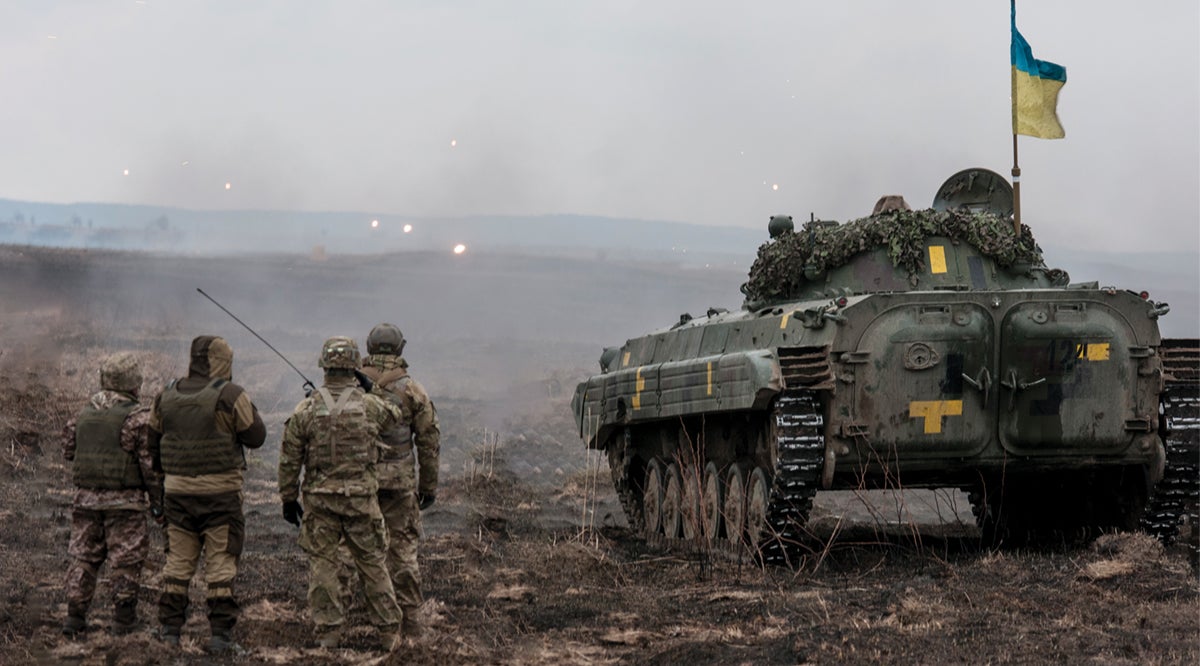
According to Greek officials, the pledge — communicated to NATO and U.S. authorities — is partly symbolic at this stage but sends a clear political message of support for Ukraine's defense amid a protracted conflict with Russia. The PURL initiative aims to pool resources from allies to accelerate deliveries of priority equipment, including air defense systems, ammunition, and other critical capabilities.
U.S. Engagement and Diplomatic Pressure
Athens' decision follows sustained diplomatic encouragement from Washington, which has repeatedly urged Greece to join the PURL equipment procurement program and to sign framework agreements indicating participation, even if specific contribution levels are set later. U.S. representatives in Athens have acknowledged Greece's budgetary limits but emphasized the importance of participation and avoiding any perception of lagging behind other NATO allies in supporting Ukraine.
The initiative, driven by the United States and several European partners, reflects broader Western efforts to strengthen Ukraine's defensive capacity as Russia continues its military operations. NATO leadership has stressed that allies and partners have contributed several billion euros to PURL packages since mid-2025, underscoring the scale of the effort.
Despite these diplomatic overtures, Athens remains cautious. While the Greek foreign ministry recognizes the need for allied solidarity, it continues to underline fiscal realities and strategic considerations when determining the extent of its defense contributions.
Greece's Stance at the United Nations
In parallel with NATO engagement, Greece has maintained an active diplomatic role at the United Nations Security Council as a non-permanent member for the 2025-26 term. Greek representatives have consistently voiced support for Ukraine's sovereignty, territorial integrity, and a rules-based ceasefire. In recent Council sessions, Athens called for de-escalation, urged Russia to cease hostilities, and stressed that any peace initiative must be grounded in international law and reflect Ukraine's own positions.
These interventions at the Security Council underline Greece's emphasis on multilateralism and its preference for diplomatic channels, even as debates continue among Western capitals regarding the balance between military assistance and diplomatic initiatives.
© AUSA
Strategic Balance and Domestic Considerations
Greece's €20 million pledge comes at a time when Athens remains protective of its own defense posture. While Greece has provided some older systems and training to Ukraine, officials have repeatedly ruled out transferring advanced air-defense assets such as Patriot or S-300 batteries, citing the need to maintain national deterrence and strategic readiness.
At the same time, Greece continues to support Ukraine through humanitarian channels, winter aid, and logistical coordination, reflecting a balanced approach that seeks to fulfill alliance expectations without compromising its own security environment.
Context and Implications
Greece's contribution to the NATO fund and its diplomatic positioning reflect an approach that balances alliance commitments with national interests. The pledge reinforces Greece's ties with its transatlantic partners while allowing Athens to demonstrate solidarity through controlled and financially manageable means. Meanwhile, Washington's ongoing calls for deeper involvement highlight broader debates within NATO over burden-sharing and long-term support strategies for Ukraine.
As the conflict persists, Greece's calibrated stance illustrates the complexities faced by mid-sized NATO members, particularly those with regional security considerations of their own.