
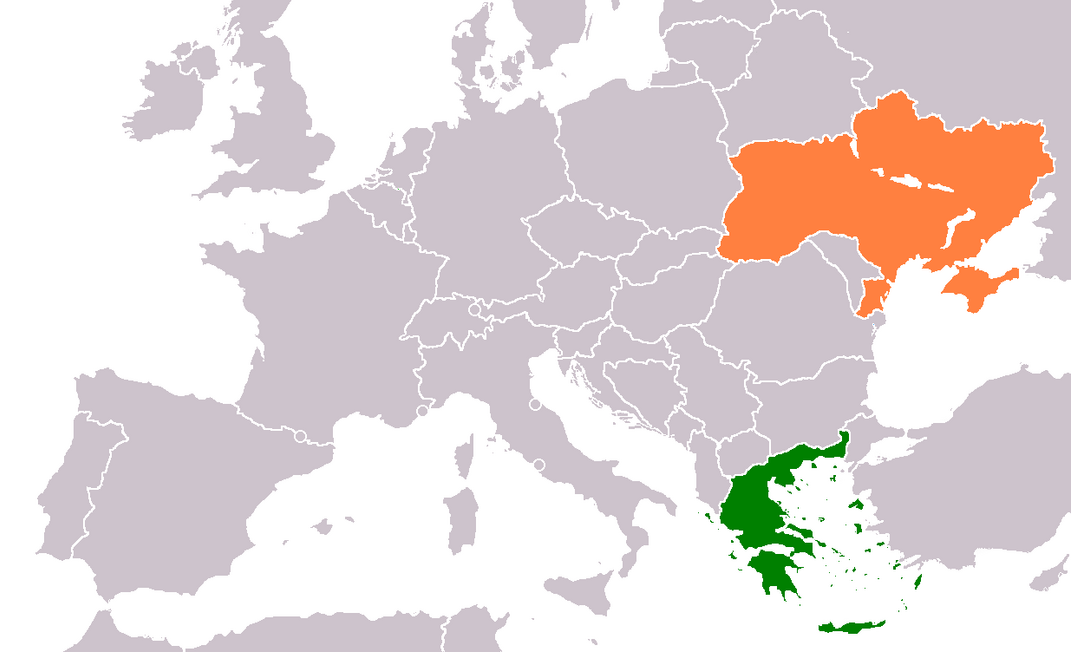
Greece has formally signed a multilateral convention establishing an international mechanism to assess damage and losses resulting from the war in Ukraine, becoming the 35th country to join the initiative. The European Union has also signed the convention as a separate party, underscoring the breadth of institutional backing behind the framework.
The agreement provides for the creation of an International Claims Commission, tasked with reviewing applications related to destruction, injury, and economic loss caused by the conflict. The initiative reflects a broader European preference for rule-based, multilateral legal processes rather than unilateral measures when addressing large-scale war damage.
According to official statements, the commission will examine claims submitted by individuals, companies, and public institutions affected by the war. Its work will build on an already established international damage registry that has collected a significant number of documented claims since the early phases of the conflict.
Greek officials have framed the decision as consistent with Athens' long-standing emphasis on international law and institutional diplomacy. They have also stressed that the convention does not create an immediate compensation fund, nor does it impose enforcement measures. Instead, it establishes a legal and technical body designed to assess responsibility and quantify losses in a standardized and transparent manner.
Legal Framework Before Financial Decisions
Under established principles of international law, states found responsible for unlawful acts are expected to provide reparations. The commission is intended to operationalize this principle by ensuring that claims are properly recorded, verified, and evaluated. However, participating states have acknowledged that questions surrounding funding sources—such as voluntary contributions or the future handling of frozen assets—remain politically and legally sensitive and will be addressed separately.
The commission will become operational only after a minimum number of signatory states complete domestic ratification procedures and agree on basic financing arrangements. Current estimates suggest that at least 25 ratifications will be required for the body to begin its work.
Broader Diplomatic Context
Greece's accession comes amid continued debate within Europe over accountability, post-war justice, and regional stability. While the initiative is distinct from military policy or peace negotiations, it reflects an effort to ensure that the human and material costs of the conflict are addressed through institutional legal channels.
From a Türkiye-focused perspective, the development illustrates how European states are increasingly relying on structured legal mechanisms to manage the long-term consequences of war, complementing diplomatic and humanitarian efforts rather than replacing them.
What Comes Next
As more states move toward ratification, the commission is expected to play a central role in preserving evidence, preventing claims from being lost over time, and establishing a factual basis for any future compensation arrangements.
Greece's participation reinforces a wider European message: while political solutions remain complex and uncertain, the documentation and legal assessment of war damage is being treated as a long-term responsibility rather than a temporary concern.