
Greek Prime Minister Kyriakos Mitsotakis is scheduled to travel to Jerusalem on December 22 for a brief but politically significant visit, including talks with Israeli Prime Minister Benjamin Netanyahu, according to official statements from Athens.
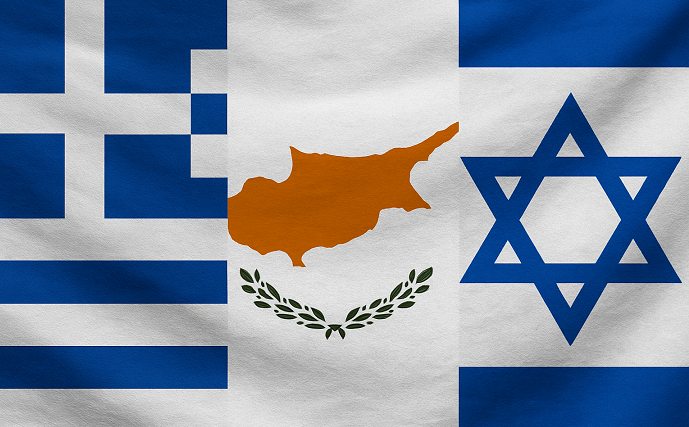
The visit, described by Greek officials as a "lighting" diplomatic stop, is expected to focus on regional security developments, energy cooperation, and broader Middle East dynamics. At the same time, the Mikropolitikos column in the Athens daily Ta Nea has reported that a trilateral meeting between the leaders of Greece, Israel and Cyprus is also planned for the same date, a format that has become increasingly central to regional coordination.
While neither Athens nor Jerusalem has formally confirmed the trilateral agenda, diplomatic sources indicate that discussions may include strategic cooperation in the Eastern Mediterranean, regional stability, and infrastructure and energy-related projects that have gained prominence in recent years.
Deepening Trilateral Ties
Greece, Israel and the Greek Cypriot Administration of Southern Cyprus have, over the past decade, institutionalized cooperation through regular summits, defense dialogue, and energy initiatives. What began primarily as an energy-focused partnership has gradually expanded into broader political and security coordination, reflecting shifting regional dynamics.
This trajectory has been reinforced by growing defense and military cooperation, as well as closer economic ties, positioning the trilateral framework as a durable regional alignment rather than a purely issue-specific partnership.
Why This Matters for Türkiye
From Ankara's perspective, the reported trilateral meeting is viewed not as a routine diplomatic engagement but as part of a long-term strategic alignment in the Eastern Mediterranean. Turkish officials have consistently argued that regional security and energy frameworks should be inclusive and based on international law, cautioning that exclusive groupings risk deepening geopolitical divisions.
The expanding military and defense cooperation between Greece, Israel and the Greek Cypriot Administration of Southern Cyprus is therefore closely monitored in Türkiye, particularly where it intersects with arms procurement, joint exercises, and operational coordination. Ankara maintains that such developments have implications for regional balance and confidence-building efforts.
At the same time, Türkiye continues to emphasize dialogue and diplomacy, including ongoing normalization initiatives and confidence-building mechanisms with Greece. In this sense, the evolving trilateral format represents both a strategic challenge and a diplomatic test for Ankara: protecting its interests while keeping open channels for de-escalation and broader regional cooperation.
Regional Outlook
Mitsotakis's Jerusalem visit comes amid heightened diplomatic activity across the region, as Israel manages complex security pressures and Greece seeks to reinforce its role within both the European Union and the Eastern Mediterranean.
Whether the reported trilateral meeting proceeds as planned on December 22 will become clearer in the coming days. If confirmed, it would signal continued momentum in Greece–Israel–Cyprus relations at a time when regional alignments remain fluid and closely watched by neighboring states, especiallyTürkiye.