
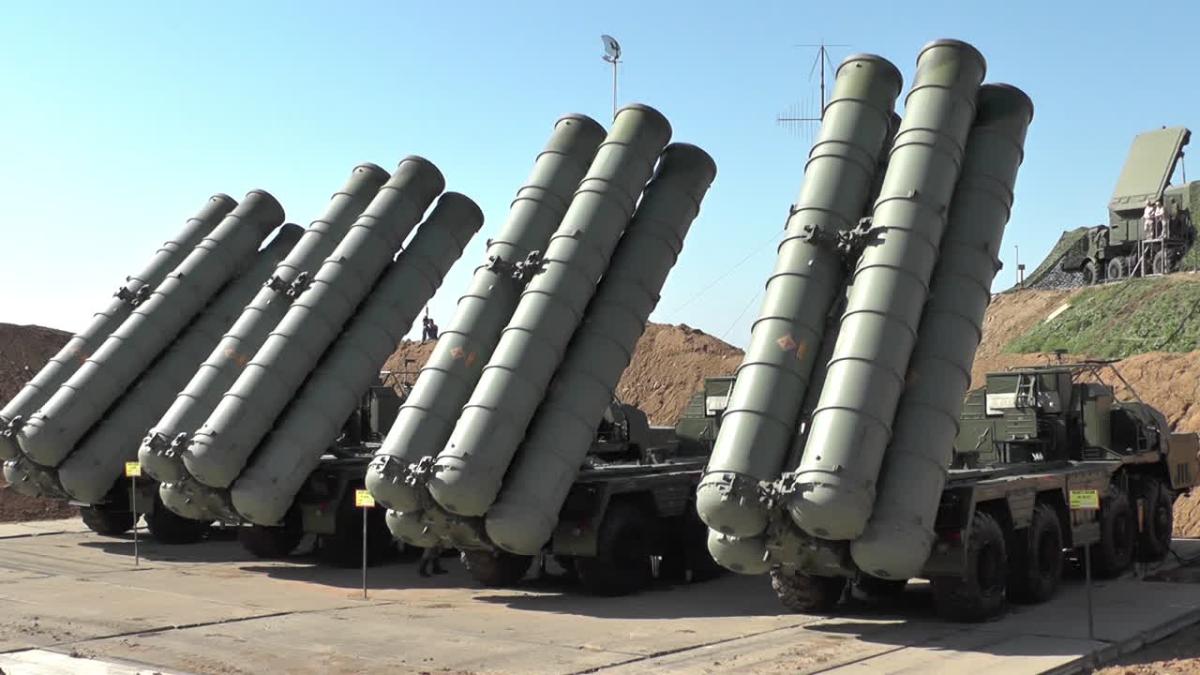
By Murat YILDIZ
Yanbu Changed the Argument
On March 19, Greek military personnel stationed at the Saudi port of Yanbu intercepted two Iranian ballistic missiles targeting a refinery that sits at the terminus of Saudi Arabia's East-West pipeline, the kingdom's main oil export route while the Strait of Hormuz remains closed. The Greek Defense Ministry confirmed the engagement. Jane's reported it independently.
The Yanbu intercept gave Athens something it had lacked: a live combat record to point to when questioned about deploying high value air defense assets far from Greek territory. Before February 28, each of those moves would likely have required sustained NATO debate and Turkish objection. The war compressed that timeline to days.
Dendias Had a Map
What happened in March 2026 did not begin in March 2026. Dendias had been laying the doctrinal groundwork for months. In April 2025, he told parliament that Greece would spend €25 billion over the next decade on a military overhaul built around a programme called Achilles' Shield, an integrated air and missile defense network. "The greatest threat to NATO member Greece comes from another NATO member, Türkiye," he said at a conference in Athens in late 2025.
The doctrine was specific. Greece would stop relying on the navy to defend the Aegean and instead deploy mobile missile systems across the islands. "The Aegean will not be protected solely by the navy. It will be protected primarily by mobile missile systems deployed across the islands. We will seal off the Aegean Sea from land," Dendias said. By July 2025, the defence ministry had announced 315 new fortification projects on Aegean islands alone, to be completed within three years.
The Iran war did not create this agenda. It removed the obstacles.
A Posture Already in Place
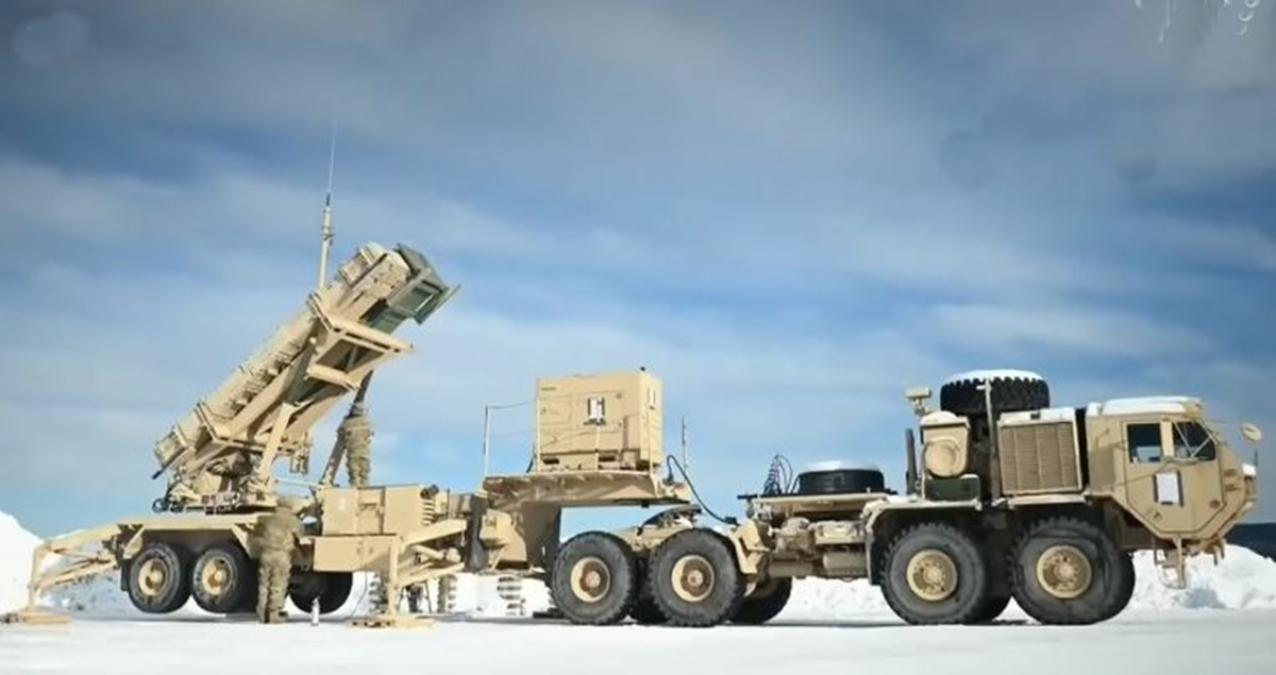
Greece deployed Patriots to Karpathos within days of the Iranian drone strike on RAF Akrotiri on March 2, when the conflict first reached the Eastern Mediterranean. The deployment was presented as helping bridge a coverage gap between the Greek mainland and Cyprus.
A second battery went north to protect Bulgaria after Sofia formally requested support. Dendias confirmed on March 6 that F-16 jets and two senior military officers were also sent to Bulgaria's operations centre. By March 12, Bulgarian Defense Minister Atanas Zapryanov confirmed the system was on active duty. The moves fit a posture Dendias had been constructing in public for over a year.
One Radar, Two Readings
A Patriot battery does not only defend. Its radar generates continuous airspace awareness across its coverage zone, including over aircraft that are not Iranian. From Karpathos, Patriot PAC-3's range of approximately 160 kilometres extends into European Türkiye.
The same system that can intercept an Iranian ballistic missile also gives Greek operators a persistent picture of Türkiye's air activity in the Aegean, one of NATO's most contested airspaces.
Türkiye read the deployment exactly that way. The Turkish Foreign Ministry filed a formal protest when Athens announced the Karpathos deployment, describing it as a violation of the demilitarized status of the Dodecanese islands under the 1947 Paris Peace Treaty. The Greek Foreign Ministry dismissed the objection, citing the 1923 Treaty of Lausanne, the 1936 Montreux Convention and the 1947 Paris Peace Treaty as governing frameworks that permit defensive deployments.
The dispute is not only about treaty text. It is about which side holds greater operational visibility and positional advantage across the Aegean, and Karpathos shifts that balance.
Three Weeks, Permanent Facts
February 28 was the date US and Israeli strikes on Iran began, triggering the regional escalation that gave Athens its opening. Before that date, a Patriot deployment to Karpathos would have drawn sustained objections from Türkiye and uncomfortable questions within NATO about Aegean militarization.
By the end of the first week of March, Greece had Patriots on Karpathos and in northern Greece, frigates off Cyprus, F-16s at Paphos, and a combat active deployment in Saudi Arabia. The defense rationale was genuine. So was the opportunity. Dendias had been describing this posture in public for a year. Türkiye filed a formal protest and Athens rejected it. Whether Ankara accepts that answer is a different question.