
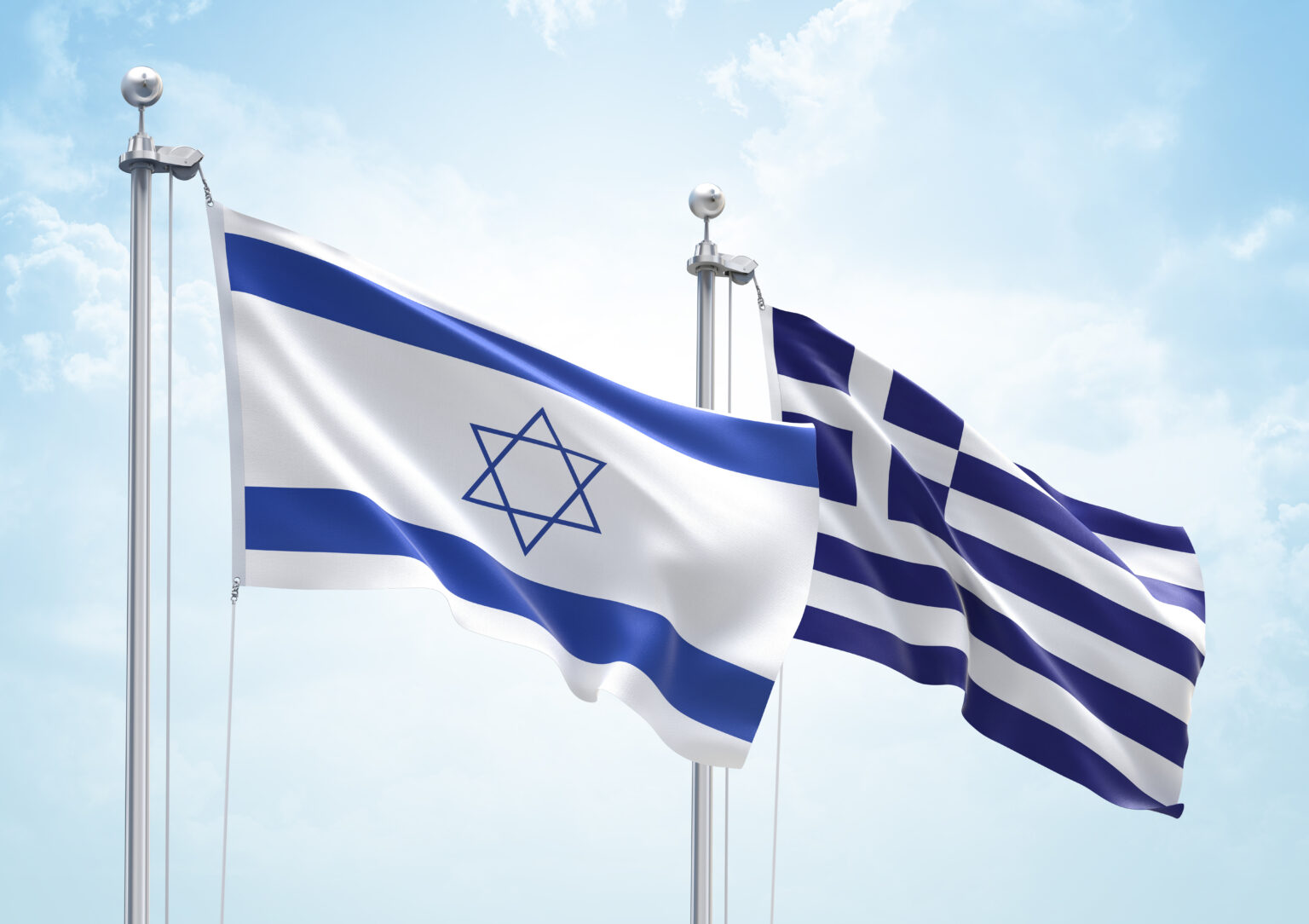
The strategic defense and security cooperation between Greece and Israel has reached an unprecedented level, solidifying a powerful new alliance in the turbulent Eastern Mediterranean. The deepening ties are widely understood as a direct response to rising geopolitical friction, particularly concerning maritime sovereignty disputes and regional posturing by Türkiye.
Following months of high-level meetings and joint military exercises, the two nations are moving from tactical collaboration to a fully integrated, long-term defense strategy. The shift aims to establish a robust deterrence capability across a region characterized by contested energy resources and competing national interests.
Greece Commits €25 Billion to Modernization
Driving the integration is Greece's ambitious military overhaul. Athens has announced a planned investment of €25 billion into its defense forces over the next five years, signaling a profound commitment to modernization. A key focus of this expenditure is the acquisition of advanced Israeli technology.
Specifically, Greece is reportedly eyeing an air defense system often referred to as the "Shield of Achilles Dome," a variation of the renowned Israeli Iron Dome system. This acquisition would provide a sophisticated, multi-layered air defense umbrella designed to protect critical assets from missile, rocket, and drone threats. The move signifies a strategic pivot toward enhancing defensive and deterrent capabilities against any potential threat scenario in the Aegean and Eastern Mediterranean.
The two countries have already been conducting large-scale joint military exercises, including the "Iniochos" and "Blue Flag" drills. These maneuvers focus on complex air-to-air, air-to-ground, and naval coordination, ensuring full operational interoperability between their armed forces.
The Türkiye Factor and Cyprus Context
The accelerated defense alignment is inseparable from the ongoing maritime and energy disputes that underpin the tensions in the region. Greece and Israel, alongside Cyprus, form a critical trilateral partnership challenging Türkiye's assertiveness in areas it considers its continental shelf.
The long-stalled issue of Cyprus remains a core irritant. The diplomatic environment—as evidenced by revelations surrounding the 2017 Crans-Montana talks—reveals enduring, irreconcilable differences, particularly over the presence of Turkish troops and the structure of security guarantees. These diplomatic deadlocks compel regional players to rely more heavily on bilateral military and security alliances as a safeguard against instability.
Furthermore, this deeper collaboration opens significant business opportunities for Israeli defense firms, whose technological expertise in air defense, intelligence, and naval systems is critical to Greece's modernization goals. The partnership thus secures a strategic anchor for both nations, providing Greece with crucial technological superiority and Israel with a vital strategic ally on the western flank of its sphere of influence.
The net result is a palpable shift in the Eastern Mediterranean's military balance, creating a powerful, interconnected defense corridor stretching from the Aegean Sea to the Levant.