
Greece is pressing ahead with a defense transformation built around high-technology warfare, integrated command systems, and unmanned capabilities, as Athens adapts its armed forces to a more data-driven security environment in the Eastern Mediterranean.
At the center of this shift is a new high-tech maritime command hub designed to fuse naval, air, and intelligence data in real time. Rather than signaling a sudden doctrinal break, the project reflects a steady recalibration in Greek defense thinking, one that privileges situational awareness, decision speed, and resilience over visible force expansion.
From Platforms to Architecture
Greek defense planning is moving away from platform-centric modernization toward systems architecture. Unmanned aerial vehicles, counter-UAV measures, artificial intelligence–assisted targeting, electronic warfare tools, and secure communications are being integrated into a single operational framework.
Recent military displays and defense exhibitions have underscored this direction, highlighting domestically developed and jointly produced systems that prioritize interoperability and rapid data exchange. The emphasis is less on adding hardware than on shortening decision cycles across services.
Maritime Control as Organizing Principle
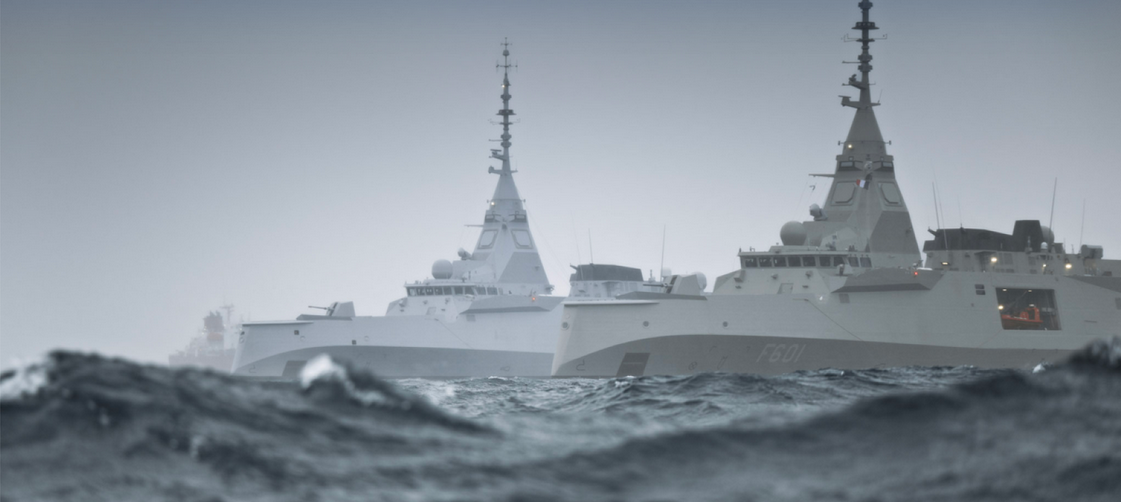
The maritime domain anchors Greece's modernization drive. The new command hub is intended to enhance oversight of sea lanes, naval movements, and critical maritime infrastructure, while enabling tighter coordination between naval and air assets.
From a regional perspective, this focus reflects a broader shift in how maritime security is conceived. Control is increasingly exercised through sensors, data fusion, and networked response rather than through permanent force presence alone. Greece's investment in command-and-control infrastructure fits squarely within this evolving operational logic.
Spending Priorities and Strategic Trade-Offs
Athens has committed to a multi-year defense investment program amounting to tens of billions of euros, with spending directed toward digitalization, cyber defense, space-related capabilities, and autonomous systems. Legacy platforms remain part of the force structure, but they no longer define the modernization narrative.
This approach mirrors a wider pattern among medium powers facing fiscal and strategic constraints. Rather than pursuing numerical superiority, resources are channeled toward technologies that promise flexibility and deterrence at lower long-term cost.
International Anchoring
Greece's engagement with US and European defense and technology partners has intensified alongside this transformation. Discussions increasingly center on research cooperation, joint development, and interoperability standards, particularly in emerging areas such as AI-enabled warfare and autonomous systems.
Athens continues to frame its modernization as defensive, stressing deterrence, alliance compatibility, and protection of maritime approaches rather than power projection. The emphasis is on embedding new capabilities within established security networks.
A Measured View From Ankara
Seen from Türkiye, which closely monitors these developments, Greece's defense shift does not in itself alter the regional balance. Its significance lies elsewhere. The Eastern Mediterranean's security competition is becoming incremental and technological, shaped by command architecture and information flow as much as by platforms.
The implication is not a call for reaction but a reminder of the direction of travel. As neighboring states invest in integration and decision-speed, maintaining coherence across surveillance, command, and response becomes as critical as acquiring new systems. In that sense, Greece's modernization effort reflects a shared regional reality rather than an isolated challenge.