
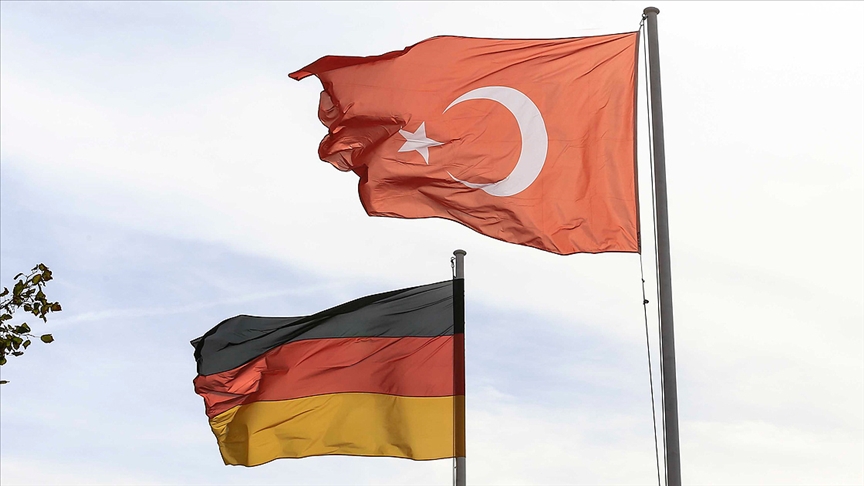
The German government is signaling a significant change in its military export policy toward Türkiye, suggesting a shift away from prior restrictions and toward deeper defense cooperation. According to Bloomberg, Foreign Minister Johann Wadephul, speaking during a joint news conference in Ankara, stated, "from the German perspective, there are no restrictions … we want to cooperate with Türkiye in all areas."
Context and Strategic Implications
The move comes amid broader efforts by Germany and Türkiye to expand collaboration in defense and security industries.
Analysts suggest the easing reflects Berlin's more pragmatic, transactional foreign policy under its current leadership.
President Recep Tayyip Erdoğan has welcomed the change, framing it as an opportunity for both nations to build long-term strategic projects.
Defense Industry Developments
Historically, Germany imposed strict limits on arms exports to Türkiye, in part due to political friction.
In recent years, however, Berlin has gradually loosened its stance. For instance, in 2024 it approved a large package of submarine modernization materials, torpedoes, and other military equipment for Türkiye.
A key element of the renewed cooperation may involve joint development projects, as Türkiye has emphasized its growing capability in domestic defense manufacturing.
Germany may also now be more open to Türkiye's proposed participation in European defense initiatives, such as the SAFE (Security Action for Europe) mechanism.
Geopolitical Implications
The shift comes against a backdrop of evolving security conditions in Europe. Erdoğan has publicly urged Germany and other NATO partners to build stronger defense ties, calling joint industrial efforts "in our common security interest."
For Germany, enhancing defense collaboration with Türkiye could reduce dependence on other external suppliers and strengthen NATO unity in a more uncertain geopolitical environment.
*** Credit: Based on reporting by Bloomberg by Arne Delfs and Firat Kozok.