
Cyprus Issue Reaches a Head in Brussels
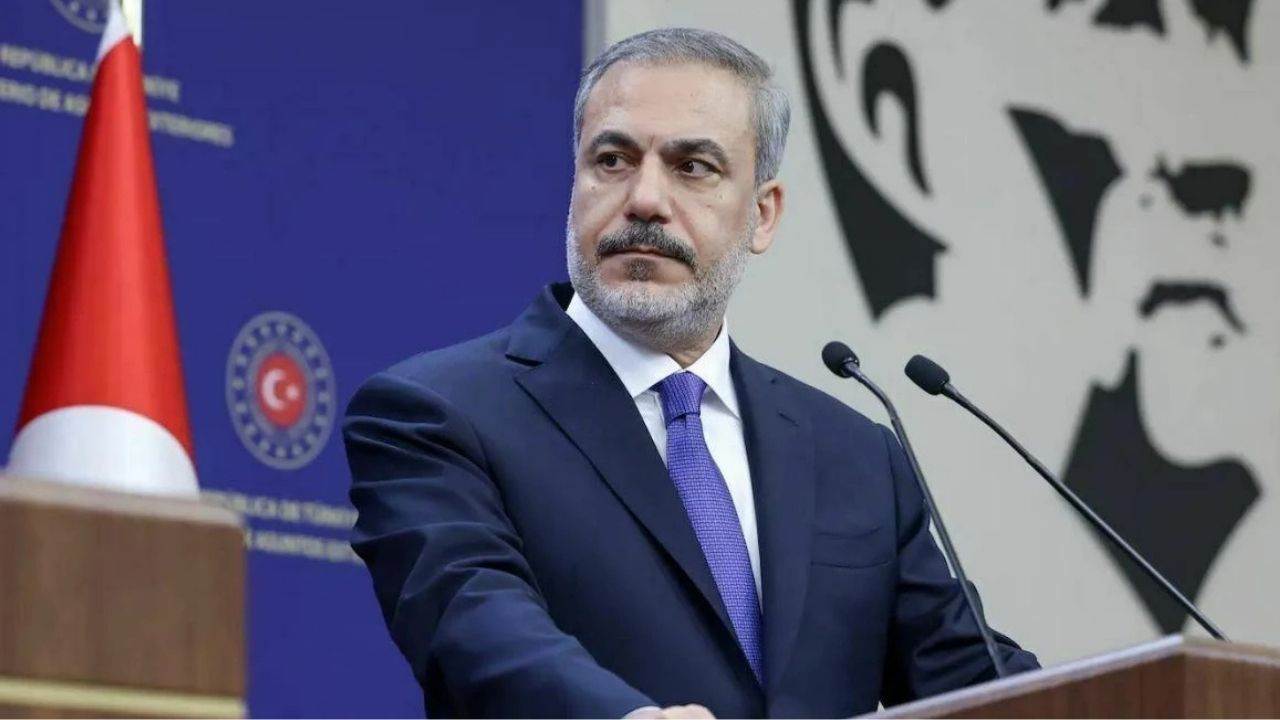
In a pointed address following a key NATO meeting in Brussels, Turkish Foreign Minister Hakan Fidan publicly escalated Ankara's concerns over the role of the Greek Cypriot Administration (GCA) in hindering the progress of institutional ties between Türkiye and the European Union.
Fidan's core message was unequivocal and highly quotable: "Whoever I speak with, they all complain about the Greek Cypriot Administration."
He argued that a critical "synergy area"—one that affects the fate of over 400 million people across the EU and Türkiye—is being "held hostage by a small group of people." This, Fidan stressed, is a situation that no strategic thinker should accept, noting that the political opposition from the GCA undermines strategic logic and weakens the EU's global position.
The Hostage Situation: Blocking EU-Türkiye Cooperation
Turkish officials have long maintained that the GCA, an EU member since 2004, systematically uses its veto power within the bloc to block crucial chapters in Türkiye's accession process, as well as the modernization of the Customs Union and progress on visa liberalization.
Fidan highlighted that his European counterparts privately acknowledge the problem, saying they express their frustration "in the right way at the right time." This indicates a growing private consensus among EU member states that the GCA's insistence on using the Cyprus issue as a political tool against Ankara is detrimental to the EU's broader foreign policy and security interests.
The issue touches on fundamental questions about the EU's decision-making process, where issues requiring unanimity—a rule that the Turkish side argues is being "abused"—can be leveraged by a single member state to halt collective action.
Beyond Accession: Strategic Ramifications
The friction extends beyond just the EU-Türkiye relationship. The GCA's unilateral actions in the Eastern Mediterranean, particularly regarding maritime boundary delimitation agreements and the expansion of military ties with external actors, have drawn complaints not only from Ankara and the Turkish Republic of Northern Cyprus (TRNC) but also, at times, from neighboring states.
These steps, which ignore the equal rights of Turkish Cypriots to the island's resources, are viewed by Türkiye as creating instability in an already tense region.
Fidan's public rebuke serves as a direct call on the EU to find a mechanism to unblock this political impasse, allowing the two major partners to move forward on mutually beneficial projects in areas like counter-terrorism, energy connectivity, and critical foreign policy dossiers, including the ongoing conflicts in Ukraine and the Middle East.