
Türkiye Draws a Hard Line Against Renewed Instability
Türkiye has issued one of its strongest warnings in recent months regarding developments in Syria, with Foreign Minister Hakan Fidan stating that Ankara "will not tolerate the country becoming a zone of chaos once again." His remarks came during a policy forum addressing the future of Syria, where he underscored Türkiye's central priority: safeguarding regional stability while ensuring Syria's sovereignty and territorial unity.
Speaking at the event, Fidan emphasized that Türkiye's approach is rooted in constructive diplomacy rather than confrontation. "Syria belongs to Syrians," he stressed, adding that any future political order must be shaped by Syrians themselves, not by foreign actors or armed groups pursuing external agendas.
Ankara: "No State Can Function With Two Armies"
A major focus of Fidan's message was the status of armed groups operating across northern and eastern Syria. Without naming the YPG directly, he reiterated Ankara's long-standing position that no country can achieve lasting stability while de-facto parallel military structures remain in place.
According to Fidan, the future Syrian security architecture must be unified under a single national command. He warned that the continued existence of separate armed wings—especially those backed by outside powers—risks preventing political normalization and undermining territorial integrity.
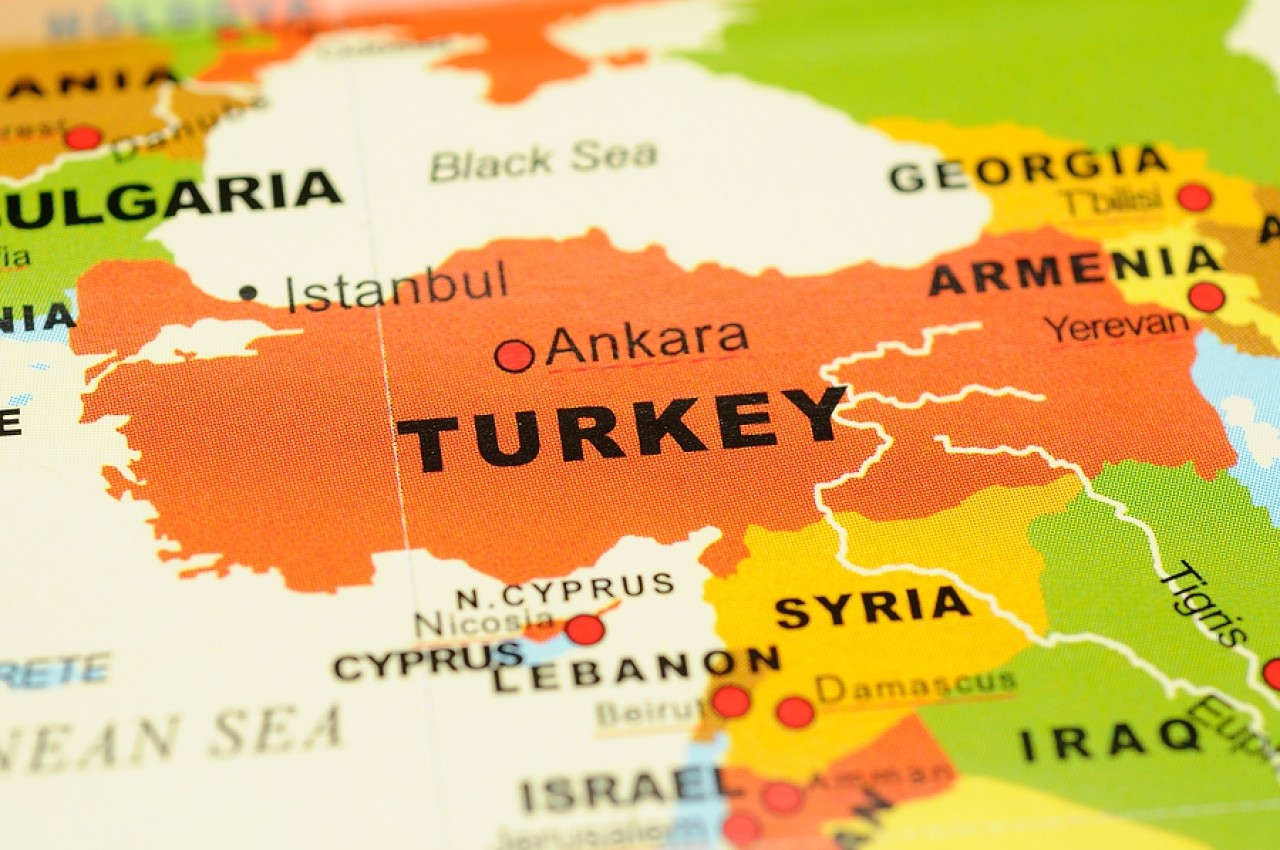
External Interventions Under Scrutiny
Fidan also cautioned against foreign military or political actions that could reignite instability, indirectly referring to both Western-backed local forces and Israeli strikes on Syrian territory.
Ankara's position is that every foreign intervention—regardless of origin—heightens the risk of fragmentation, radicalization, and refugee movements. Türkiye, which hosts millions of displaced Syrians, sees renewed conflict as a direct national-security threat.
Diplomatic sources in Ankara note that Türkiye has been increasing engagements with regional actors, including Arab partners, Russia, and Iran, to prevent escalatory dynamics and push for a coordinated framework for Syria's stabilization.
Rebuilding a Devastated Country: A Regional Priority
The scale of destruction across Syria remains immense. International assessments—including those from UN-affiliated institutions— suggest that full recovery could require more than 200 billion USD in reconstruction costs. Fidan highlighted this economic reality and stressed that political stabilization must precede any serious investment effort.
Turkish officials believe that without a clear governance model, inclusive representation, and a unified military structure, reconstruction funds will remain limited and fragmented—leaving Syria vulnerable to renewed conflict.
Türkiye's Role: Security, Diplomacy, and Humanitarian Support
Türkiye positions itself as both a regional stakeholder and a country that has borne a disproportionate humanitarian burden for over a decade. Fidan underlined that Ankara's goal is not confrontation with any state, but rather a cooperative framework that supports Syria's territorial unity and prevents extremist or separatist threats along Türkiye's borders.
In recent diplomatic exchanges, Türkiye has also argued that reducing tensions and enabling safe conditions in northern Syria could gradually support voluntary, dignified returns for some refugees—an issue increasingly important for domestic stability.
Assessment: A Fragile Period With High Stakes
While Türkiye views the current moment as a potential opening toward stabilization, experts warn that the situation remains highly fragile:
- Multiple armed groups still operate without unified command.
- International actors retain divergent objectives.
- The economic collapse continues to fuel social pressure.
- Local governance structures remain fragmented.
Yet there is also cautious optimism. Increasing regional diplomatic engagement, a shift in Arab states' approach toward Damascus, and growing fatigue with prolonged instability may create a narrow window for de-escalation.
For Türkiye, preventing a new cycle of chaos in Syria is both a strategic imperative and a matter of national security. Ankara's latest message leaves little ambiguity: any step that threatens to destabilize Syria again will face firm opposition.