
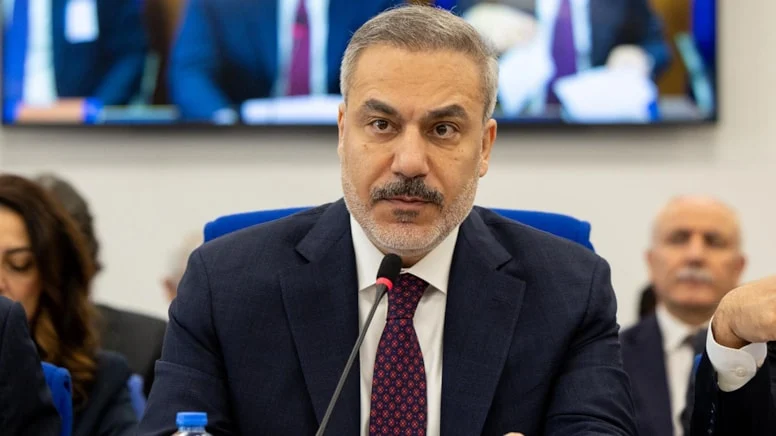
Fidan Signals Diplomatic Trajectories on Gaza, Syria, and U.S. Relations
In a series of candid and high-stakes interviews on the sidelines of the annual Doha Forum, Foreign Minister, Hakan Fidan, articulated Ankara's comprehensive strategy for navigating the Middle East's most complex geopolitical flashpoints. His statements offered a detailed perspective on Türkiye's central role in ongoing diplomatic efforts, outlining specific conditions that could enable post-conflict governance in Gaza and potentially ease long-standing friction with the United States.
The Gaza Equation: Conditions for Hamas Disarmament
Minister Fidan's most significant pronouncement concerned the future governance of the Gaza Strip, which remains gripped by devastating conflict. He indicated that Hamas, the de facto governing authority in the territory, has signaled a potential willingness to relinquish political control and disarm, provided the international community meets specific political and security guarantees.
Fidan underscored the gravity of the moment, cautioning that a failure to advance the U.S.-backed Gaza ceasefire plan to its next phase would constitute a "huge failure" for the global community and Washington.
According to the Turkish Foreign Minister, the operational next phase of post-conflict stabilization rests upon two immediate, practical preconditions:
- A Credible Palestinian Administration: The establishment of a vetted, non-partisan, and technocratic Palestinian civil administration to assume responsibility for Gaza's daily municipal governance.
- A Non-Hamas Security Force: The formation of a new, professionally trained Palestinian police force, structurally independent of Hamas, tasked with maintaining domestic security and order.
Fidan noted this new civilian and security apparatus would be supported by a proposed international "board of peace" and a multinational security force. Türkiye has repeatedly expressed its readiness to contribute troops to this force—a proposal that has met with consistent opposition from Israel. Nonetheless, Fidan affirmed that Ankara remains committed to "do our part to end the humanitarian tragedy in Gaza."
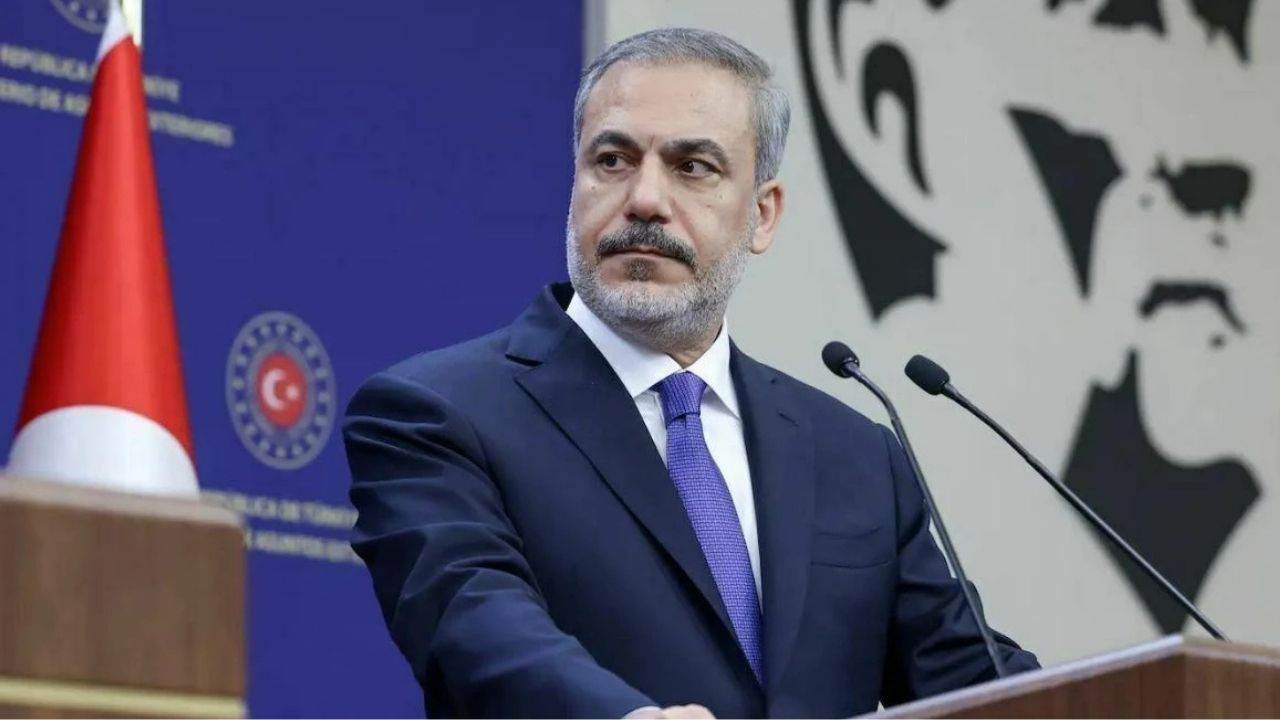
Stern Warning on Syria and the SDF
Shifting focus to the critical security situation in northern Syria, Fidan addressed Ankara's core concerns regarding the Syrian Democratic Forces (SDF), which Türkiye classifies as a terrorist organization due to its ties to the PKK.
Fidan revealed that despite a recent agreement between the SDF and the Syrian government aimed at integrating the Kurdish-led forces into legitimate state structures, the implementation has stalled. He told Reuters that signals from the SDF showed it had "no intention" of honouring the accord, suggesting instead a drive to circumvent the terms.
The Foreign Minister delivered a definitive warning, stating that Ankara has indicated the potential for military action if the SDF does not comply by year's end, emphasizing the principle that there cannot be "two armies in any given country." He clarified that the unified command and control structure must be vested in Damascus, though mechanisms for local administration could still be decentralized.
Fidan also reiterated that Türkiye's engagement with the Syrian government—which emerged after the collapse of the previous regime—was not unconditional, stressing that the ongoing "destabilisation policies" of external actors, including Israel, remain a significant impediment to achieving genuine Syrian national unity.

Optimism Regarding CAATSA Sanctions Relief
In an important update on bilateral relations with the United States, Minister Fidan offered an optimistic assessment regarding the long-standing dispute over Türkiye's 2019 acquisition of Russian S-400 missile systems. This purchase triggered the invocation of the U.S. Countering America's Adversaries Through Sanctions Act (CAATSA), which has restricted military cooperation between the two NATO allies.
Addressing the issue, Fidan expressed confidence that the two nations are nearing a viable path forward. When discussing the potential end of these restrictions, he was quoted by Reuters as saying: "I believe we'll soon find a way to remove that obstacle." This statement strongly suggests that active, high-level negotiations are progressing to lift the sanctions, which have complicated Türkiye's efforts to modernize its armed forces, including the procurement of advanced U.S. fighter aircraft.