
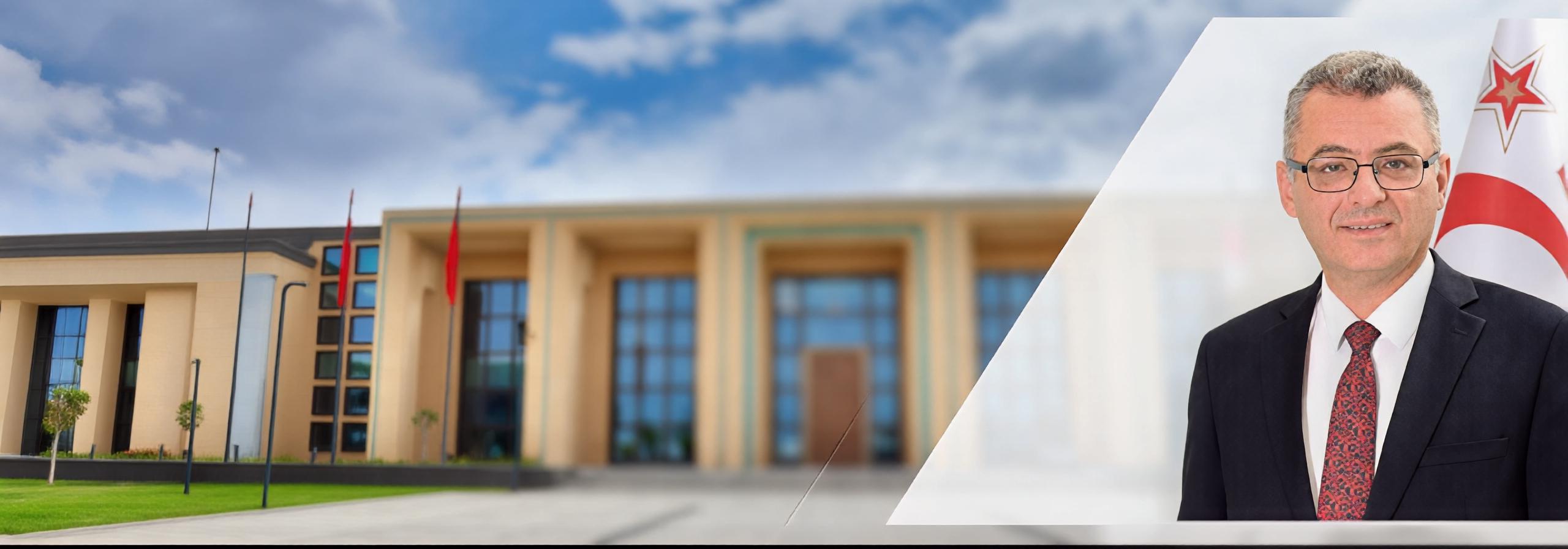
Turkish Cypriot President Tufan Erhürman has made clear that no formal Cyprus negotiations can begin unless both sides accept his four-point precondition framework, a structured methodology he says is essential for any meaningful settlement process. His position defined the tone of the second United Nations-sponsored leaders' meeting, which otherwise focused on modest confidence-building measures between the two communities.
During the meeting, held under the guidance of UN envoy Maria Angela Holguin Cuellar, Erhürman reiterated that while cooperation on issues such as halloumi/hellim certification, improved crossing-point logistics, and humanitarian coordination is positive, such steps cannot substitute the need for a real negotiation structure.
Erhürman's Four Preconditions
According to Erhürman, formal talks will only begin if four core requirements are met:
- Political Equality Must Be Explicitly Guaranteed
- Both sides must commit to negotiations where Turkish Cypriots participate on an equal basis, without ambiguity in status or competencies.
- A Defined and Time-Bound Negotiation Methodology
- Talks must follow a structured roadmap with clear phases, deadlines, and measurable progress indicators to avoid the open-ended processes that failed in the past.
- Past Convergences Must Be Preserved
- Agreements reached in earlier rounds — including governance models, federal competencies, and security understandings — cannot be discarded and must form the negotiating base.
- A Guarantee Against Returning to Pre-Talk Conditions
- Once the process begins, neither side should be able to shift positions back to a starting point that undermines continuity or equality.
Erhürman described these four elements as "non-negotiable prerequisites", stating that without them, talks risk becoming symbolic rather than substantive. He emphasized that the Turkish Cypriot side is ready to negotiate immediately if these points are accepted.
Atmosphere of the Meeting
Greek Cypriot leader Nikos Christodoulides described the meeting as constructive and said the discussion included references to political equality, a development he welcomed. However, he did not publicly commit to all aspects of Erhürman's four-point methodology.
Despite differences, both sides agreed on additional practical measures: improving traffic flow at crossing points, further integrating halloumi/hellim trade channels, and supporting the humanitarian work of the Committee on Missing Persons. These initiatives are intended to build trust but remain separate from the political settlement track.
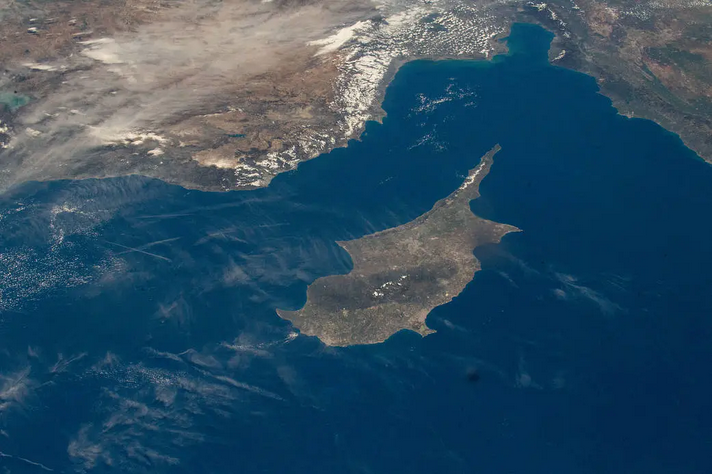 © NASA
A New Phase, Old Realities
Erhürman's assertive stance reflects widespread sentiment in the Turkish Cypriot community that past negotiation rounds often lacked structure, allowing outcomes to drift and leaving key principles of equality unresolved. His insistence on a defined methodology aims to prevent a repeat of the failures seen at Crans-Montana in 2017 and earlier UN-led efforts.
Greek Cypriot officials, meanwhile, continue to highlight their readiness for a "results-oriented process" but remain cautious about explicitly endorsing all elements of the precondition framework.
UN Position and Next Steps
The United Nations expressed satisfaction with the leaders' engagement and signaled that additional trilateral formats may be convened if both sides make progress. Diplomats close to the process say the UN views Erhürman's framework as "negotiable in parts," though the organization publicly stresses neutrality.
For now, Erhürman's four preconditions have become the central determinant of whether new Cyprus talks can even begin, making his approach the key factor shaping the months ahead.