
By Bosphorus News Energy Desk
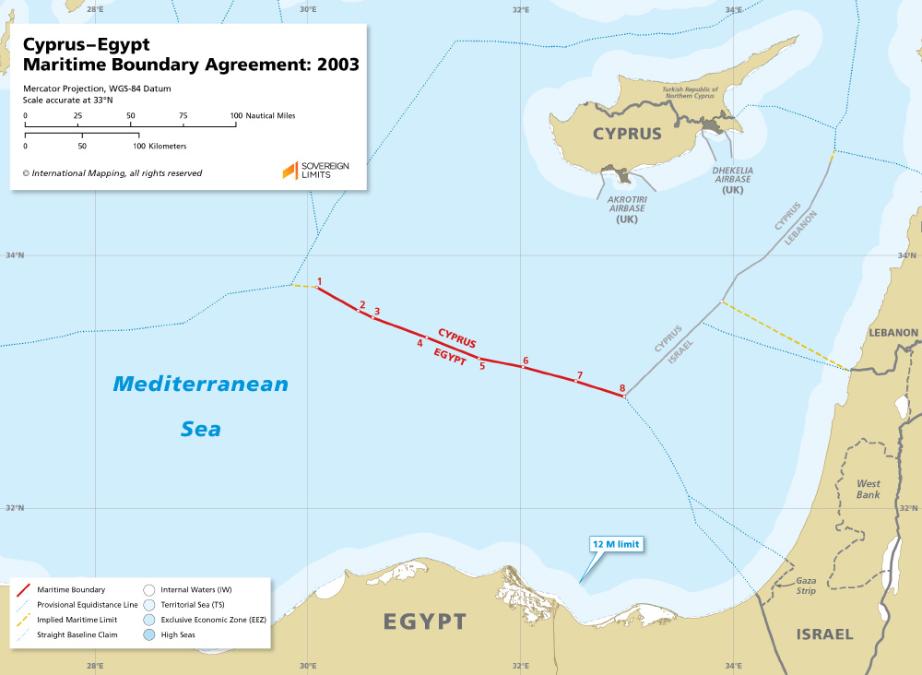
Egypt and the Republic of Cyprus signed a framework agreement on 30 March to export offshore gas through Egyptian LNG terminals, moving the long-delayed Aphrodite field a step closer to market and giving fresh momentum to an Eastern Mediterranean energy route that does not run through Türkiye.
The deal is built around existing Egyptian infrastructure, above all the Idku and Damietta liquefaction plants. That gives Cyprus something it has lacked from the start: a realistic export outlet for gas it has discovered but never managed to monetise.
Aphrodite remains the key piece. The field is operated by a consortium that includes Chevron, and its development has been held up for years by disagreements over production plans, commercial terms and export options. That is why the Chevron track matters here. Egyptian and Cypriot officials say discussions are continuing on a pipeline connection that would bring Aphrodite gas to Egypt for liquefaction and shipment abroad.
Cyprus's energy minister has also pointed to renewed "political will" around both Aphrodite and the Cronos discovery, which is operated by ENI and TotalEnergies. That suggests this is not being treated as a one-field fix. The wider aim is to turn Egypt into the export platform for more than one Cypriot offshore project.
On paper, the commercial logic is straightforward. Egypt already has the LNG plants. Cyprus does not. In a market still shaped by supply shocks and Europe's search for non-Russian gas, existing infrastructure carries more weight than larger projects that would take years to negotiate and build.
But the agreement is not just about convenience. It also points to a regional choice. Turkish officials have argued for years that the most practical route for Eastern Mediterranean gas runs through Türkiye, and that projects designed around excluding both Türkiye and the Turkish Cypriots would carry political costs as well as commercial limits.
This new arrangement moves in a different direction. Instead of testing a broader formula that would require political compromise across the region, Cyprus is moving ahead through a narrower partnership with Egypt, using infrastructure that is already in place and already connected to global LNG trade.
That is where the political meaning begins to outweigh the technical one. Every step that ties Cypriot gas more closely to Egyptian export capacity makes this corridor more real and makes alternative regional models harder to revive later.
The real issue is not simply that Aphrodite may finally move toward export. It is that another piece of Eastern Mediterranean energy infrastructure is being built through a formula that leaves Türkiye outside the central route while leaving the island's underlying disputes untouched.