
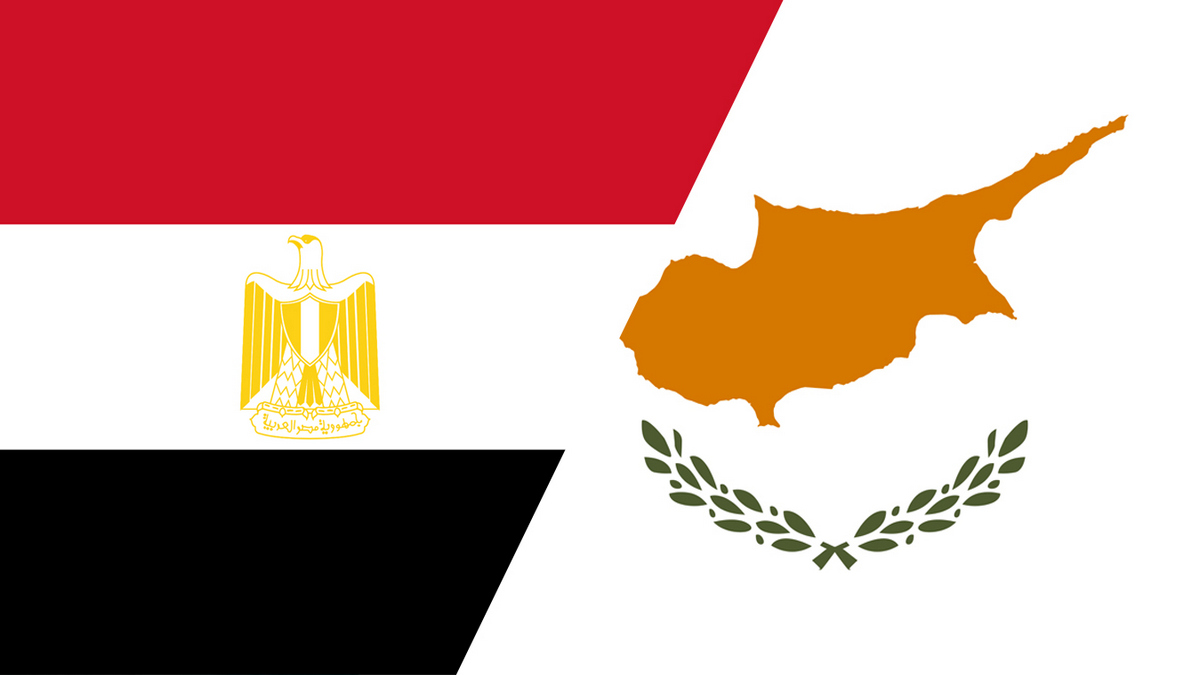
Egypt and Cyprus are moving decisively to translate offshore gas reserves into export capacity, advancing a cooperation model that prioritizes infrastructure over discovery. The recent steps taken by the two countries point less to a new energy partnership than to a recalibration of how gas moves, who processes it, and who ultimately controls access to markets.
At the center of this alignment lies a structural reality. Cyprus holds gas reserves but lacks large-scale processing and liquefaction capacity. Egypt, by contrast, possesses underutilized LNG infrastructure and an established route to international buyers. Cooperation, in this sense, is not symmetrical. It is functional.
The emerging model routes Cypriot gas to Egypt for processing, liquefaction, and export. Rather than developing standalone offshore export solutions, the focus has shifted toward using existing onshore facilities. This sequencing lowers costs, shortens timelines, and anchors exports to infrastructure already connected to European markets.
Timing matters. The acceleration comes at a moment when energy markets favor speed and reliability over capital-intensive new builds. Europe's priority remains securing gas through established corridors, not financing new offshore liquefaction capacity in a volatile regional environment. Egypt's existing LNG terminals therefore become not just assets, but leverage.
Cyprus, for its part, appears to be adjusting commercial terms to align with this logic. The emphasis has moved away from long negotiations over ideal pricing structures and toward making gas exportable in the near term. Speed now outweighs perfection.
Beyond energy economics, the cooperation reflects a broader Eastern Mediterranean pattern. In today's regional equation, reserves alone do not determine influence. Infrastructure does. Processing capacity, export routes, and market access increasingly shape strategic weight.
This dynamic also explains why gas diplomacy in the Eastern Mediterranean has become less about new discoveries and more about integration into existing systems. Those who control infrastructure set the tempo. Those without it adapt.
Egypt's positioning is therefore not limited to bilateral cooperation. It reinforces Cairo's role as a regional energy hub capable of aggregating offshore resources and channeling them outward. Cyprus gains an export route. Egypt consolidates centrality.
What emerges is a relationship defined by practicality rather than rhetoric. Gas matters less than routes. Sovereignty over molecules yields to control over movement.
In the Eastern Mediterranean, the balance is shifting from who owns the gas to who can move it. Egypt and Cyprus are aligning accordingly.