
Bosphorus News Energy Desk
Gas production in the Eastern Mediterranean is rising, but the way that gas moves is becoming more settled, not more flexible.
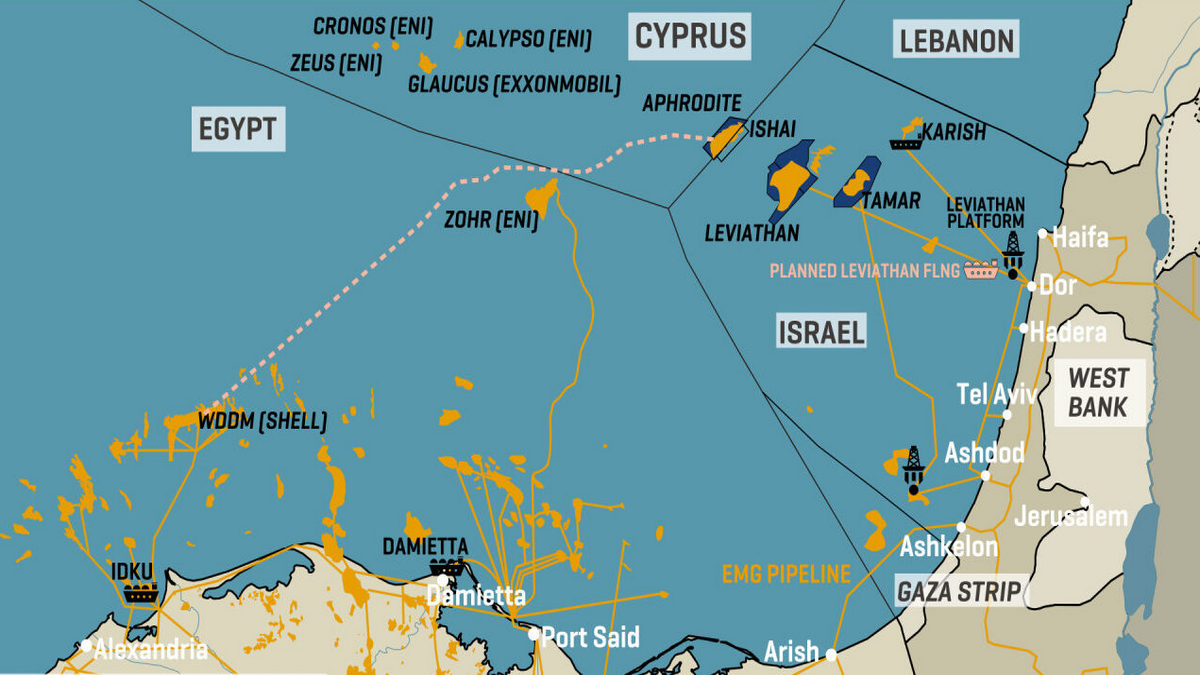
Israel is increasing output from its main offshore fields, particularly Leviathan and Tamar. The additional volumes are expected to move through existing pipelines to Egypt, where liquefaction plants already handle exports to regional markets and Europe. No new export route is being built around this growth. The system that exists is simply being used more intensively.
Energean's activity fits that picture. The company is accelerating development work on its Eastern Mediterranean projects, focusing on drilling schedules and offshore installations rather than new export ideas. This is about getting gas online faster, not redrawing the regional map. The projects assume that gas will reach market through channels that are already operating.
Together, these developments strengthen the Israel–Egypt gas channel. More supply is added, timelines shorten, and reliance on Egyptian LNG capacity deepens. The commercial logic points inward, not outward.
This has consequences for Türkiye. Despite its size as a gas market and its pipeline links to Europe, Türkiye is not part of the export chain that is now being reinforced. As more gas is committed to Egypt-based routes, the case for alternative pipeline options weakens by default. It is not blocked. It is sidelined by momentum.
The result is not a dramatic shift, but a quiet one. Israel produces more. Egypt processes more. Companies like Energean move faster. And the regional gas system settles further into a structure that leaves Türkiye outside day-to-day project planning.