
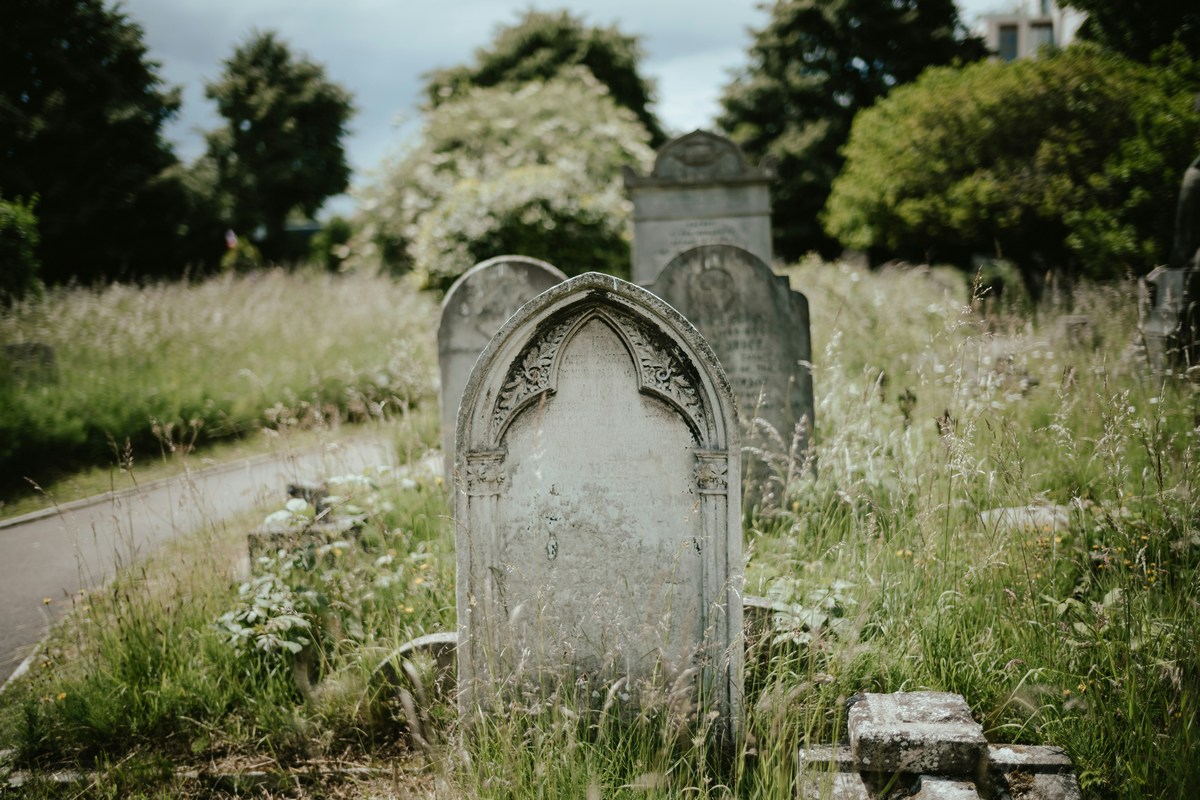
A cemetery belonging to Chaldean, Syriac and Assyrian communities near Shaqlawa in northern Iraq's Kurdistan Region was found desecrated, local sources reported, in what appears to be a continuing pattern of attacks against minority cultural and religious heritage sites.
The gravesite, used by communities with deep historical roots in the region, showed signs of deliberate damage, with around 40 graves disturbed and headstones overturned or defaced. Residents and community representatives described the incident as deeply distressing and called for a formal investigation by regional authorities.
Context of Recent Incidents
This latest act of desecration follows an earlier incident in Armota, another town in the Kurdistan Region, where a similar cemetery linked to Christian minorities was reportedly targeted. Together, these events have sparked concern among local communities and observers about the security of heritage sites belonging to minority groups.
Community leaders expressed fear that such attacks, if not addressed effectively, could contribute to a climate of insecurity and marginalization for minority populations who have historic ties to the area.
International and Regional Heritage Concerns
Experts on cultural heritage and regional affairs note that attacks on cemeteries and religious sites not only represent violations of local norms but can also erode the long-standing cultural mosaic of northern Iraq. The Chaldean, Syriac and Assyrian communities trace their origins in the region back centuries, and their historical sites are considered important both locally and internationally.
International organizations, including United Nations cultural agencies, have previously highlighted threats to heritage sites in Iraq arising from conflict, neglect, and targeted vandalism. While much global attention has focused on damage inflicted during periods of armed conflict, recent episodes in Kurdish-administered areas suggest that the challenge of safeguarding minority heritage persists.
Response from Authorities
Regional officials in the Kurdistan Region have acknowledged reports of the cemetery desecrations and stated that security forces are looking into the incidents. Public statements emphasized that such acts undermine social cohesion and that authorities are committed to protecting cultural and religious sites. Details of ongoing investigations and any possible leads have not been disclosed publicly.
Observers say that transparent inquiry and accountability will be key to restoring confidence among affected communities and preventing further incidents.
Broader Implications
The recurrence of attacks on minority heritage sites raises broader questions about heritage protection in multi-ethnic and multi-religious regions. Civil society groups have called for stronger legal protections, improved site monitoring, and cooperation between local communities and authorities to ensure the preservation of cultural landmarks.
For minority groups in and around Iraqi Kurdistan, these cemeteries and religious spaces are not only historical artifacts but active elements of community identity and continuity.