
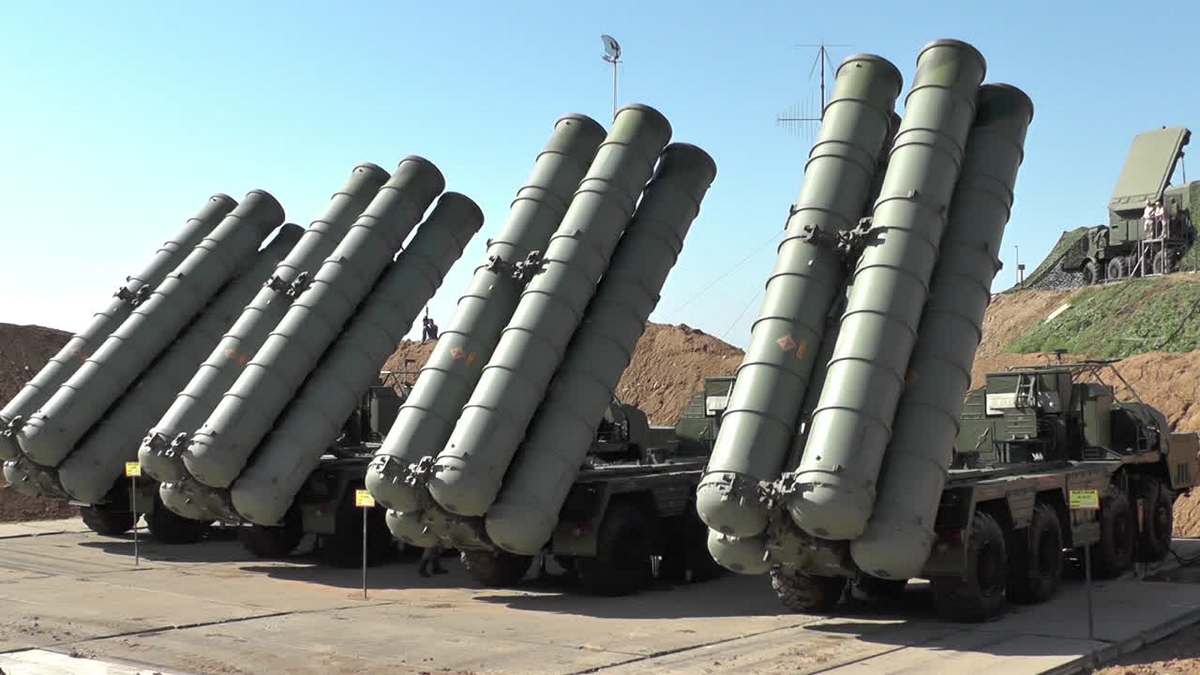
Discussion has re-emerged over whether Türkiye could reassess the status of its Russian-made S-400 air defense systems, a move that some analysts argue would be necessary for any future normalization of defense ties with the United States and a potential return to the F-35 fighter jet program.
Recent commentary in Russian media outlets, including Pravda, has suggested that such scenarios are being debated in diplomatic circles. However, no official confirmation has been issued by Turkish or U.S. authorities to support claims of an imminent policy shift.
Official Positions Remain Unchanged
Türkiye was removed from the U.S.-led F-35 program in 2019 after taking delivery of the S-400 system, despite repeated warnings from Washington. The United States subsequently imposed sanctions under the Countering America's Adversaries Through Sanctions Act (CAATSA).
Turkish officials, including the Ministry of National Defense, have consistently stated that the S-400 purchase was a sovereign decision driven by urgent air defense needs and that the system poses no threat to NATO allies. Ankara has repeatedly expressed openness to technical solutions and dialogue, while rejecting calls to abandon or transfer the system.
The U.S. Department of Defense and State Department have maintained that Türkiye cannot rejoin the F-35 program as long as the S-400 remains in its inventory. This position has been reiterated in statements to Reuters, The Wall Street Journal, and U.S. congressional hearings.
Renewed Debate in a Changing Strategic Environment
The renewed public debate comes as Türkiye advances parallel defense initiatives, including the modernization of its F-16 fleet—approved by the U.S. Congress in 2024—and the development of its indigenous fifth-generation fighter jet, KAAN.
Defense analysts cited by Reuters and Anadolu Agency note that Ankara's long-term strategy increasingly emphasizes defense self-sufficiency, even as it seeks to keep diplomatic channels with Washington open.
NATO Dimension and Political Constraints
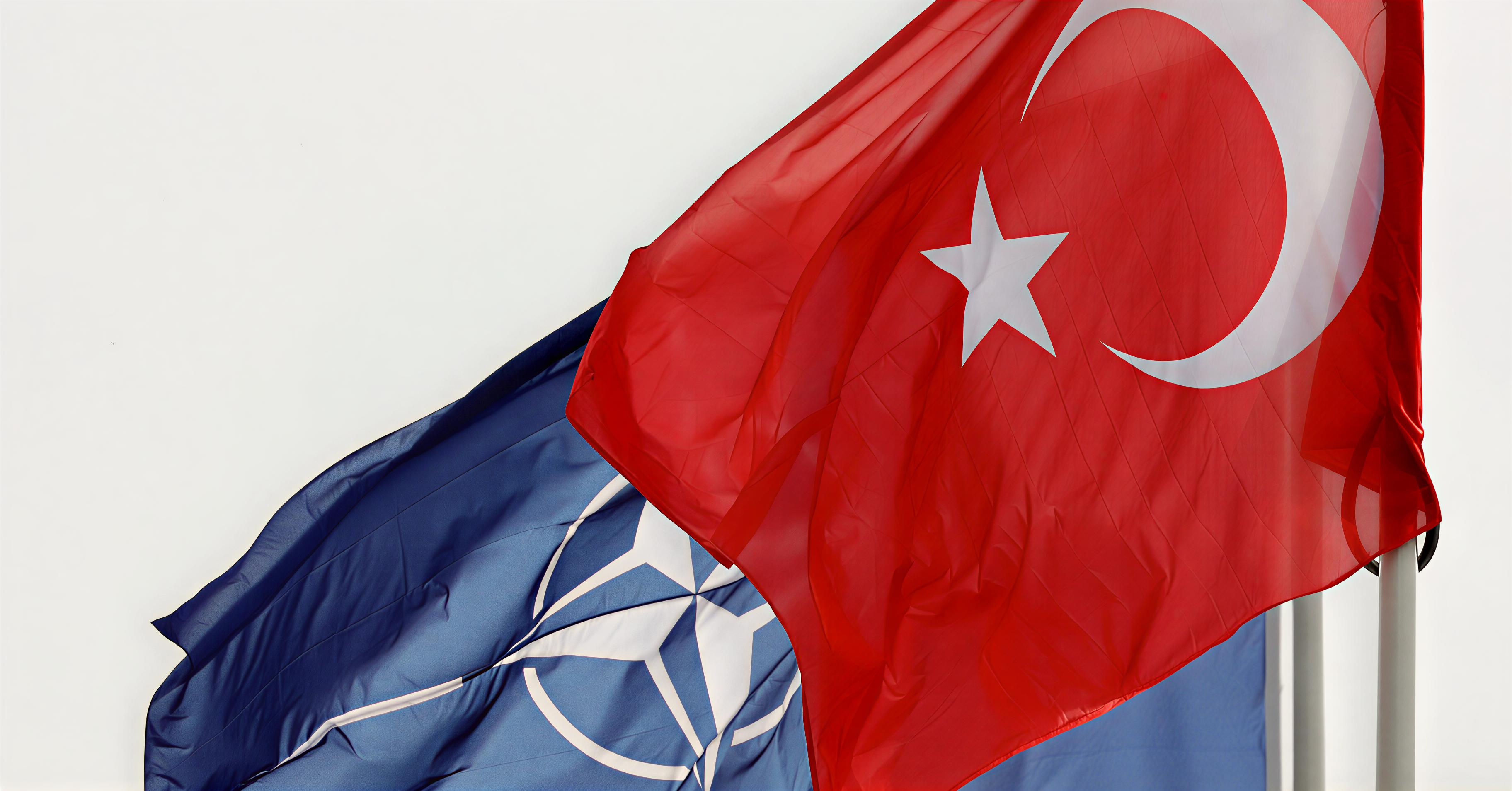
Within NATO, the S-400 issue has long been framed as both a technical and political challenge. Alliance officials have stressed the importance of interoperability and intelligence security, while acknowledging Türkiye's strategic importance, particularly amid heightened tensions in the Black Sea, Middle East, and Eastern Mediterranean.
According to reporting by Reuters and The Washington Post, several NATO members privately view the dispute as unlikely to be resolved without a broader political agreement between Ankara and Washington—one that goes beyond defense hardware alone.
No Indication of an Imminent Breakthrough
Despite periodic speculation in international media, there is no public indication that either side is preparing to reverse its position. Turkish officials have continued to emphasize national sovereignty, while U.S. officials have underlined congressional and legal constraints tied to CAATSA.
As a result, Türkiye's potential return to the F-35 program remains uncertain. For now, the S-400 dispute continues to shape bilateral defense relations, even as cooperation persists in other areas, including NATO missions and regional security coordination.
Any future resolution, analysts say, would require a carefully negotiated political framework acceptable to both sides—an outcome that remains possible, but not imminent.