
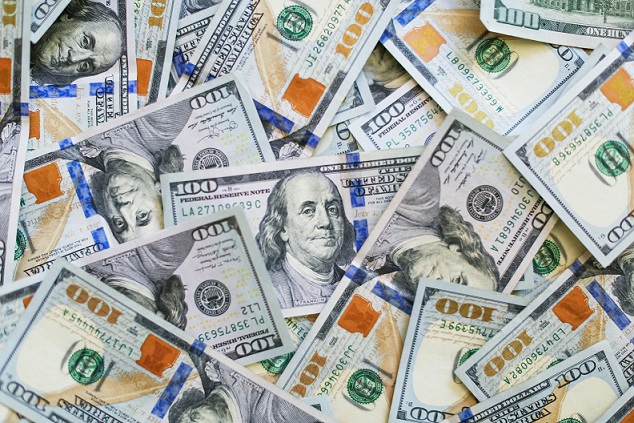
A resurgence of counterfeit U.S. dollar notes, particularly $50 and $100 bills, is once again unsettling Istanbul's Grand Bazaar, one of Türkiye's most important hubs for cash-based trade and foreign exchange. The renewed concerns echo a similar episode last year and have already begun to disrupt daily commercial activity, from jewelry and textile traders to hotels and tourism-related businesses.
Merchants in and around the Grand Bazaar report increased caution when handling $50 bills, with some businesses temporarily refusing to accept them altogether. Others have introduced informal risk buffers, accepting $50 notes only after applying a small deduction—reported by traders to be around $1.50 per bill—to offset potential losses if the notes later prove counterfeit.
Impact on Trade and Foreign Exchange
The Grand Bazaar plays a central role not only in retail trade but also in informal currency circulation, particularly for small and medium-sized enterprises. Traders say uncertainty over the authenticity of certain dollar series has slowed transactions and reduced liquidity, as businesses prefer to wait for clarity from banks and exchange offices.
Several currency exchange offices and financial institutions have reportedly tightened their acceptance criteria, especially for older or frequently counterfeited series of $50 bills. While $100 notes remain more widely accepted, merchants say heightened scrutiny has increased transaction times and friction in everyday trade.
Tourism Sector Feels the Pressure
The effects are being felt most visibly in the tourism sector, where cash payments in U.S. dollars remain common, particularly among visitors from regions where the dollar is widely used. Hotels, travel agencies, souvenir shops, and transport operators report growing unease, with some opting to accept only euros, Turkish lira, or card payments until the situation stabilizes.
Industry representatives warn that uncertainty over cash acceptance risks undermining visitor confidence, especially during peak travel periods. While Türkiye remains a competitively priced destination, tourism professionals stress that payment disruptions—however temporary—can negatively shape the visitor experience.
Calls for Clear Guidance
Traders and sector representatives are calling for clearer guidance from financial authorities and banks on how to identify counterfeit notes and which bill series pose higher risks. Experts emphasize that counterfeit currency incidents, while disruptive, do not reflect a systemic weakness in Türkiye's financial system but rather underline the challenges of cash-heavy transactions in high-volume tourist economies.
Security experts note that counterfeit operations tend to resurface periodically, often targeting widely circulated denominations such as the $50 bill, which balances high value with frequent everyday use.
Looking Ahead
For now, merchants are urging customers—both domestic and international—to use alternative payment methods where possible. As banks and exchange offices review procedures and enhance detection measures, businesses hope the market will gradually return to normal.
Until then, the episode serves as a reminder of the vulnerabilities inherent in cash-based commerce, particularly in globally connected trade and tourism centers like Istanbul.