
By Bosphorus News Geopolitics Desk
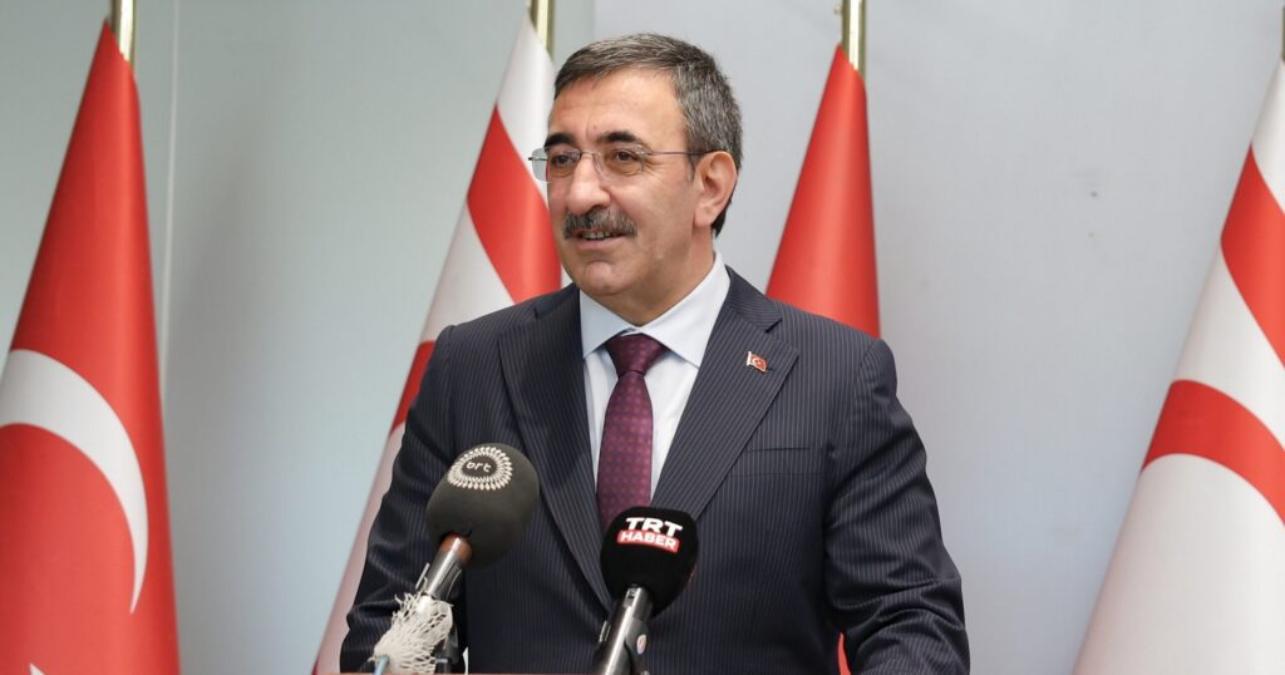
Vice President Cevdet Yılmaz said recent military steps on the Greek Cypriot side have made Cyprus more dangerous, arguing that facilities opened to third countries and weapons stockpiles have increased risks for the entire island. Speaking to reporters in Ankara on March 11, Yılmaz said Türkiye would not leave Turkish Cypriots alone and was taking the necessary steps as a guarantor power in light of regional developments.
Yılmaz said the Greek Cypriot administration had in recent years opened important space to third countries in military terms and that weapons stockpiles on the southern side had turned the island into a riskier environment. He added that the latest reflections of regional conflict had already been felt and argued that moves by the Greek Cypriot side had put the whole island at risk.
Repeating Ankara's guarantor language, Yılmaz said Türkiye had never left Turkish Cypriots alone and would not do so now. He said all steps taken by Ankara were aimed at the security of the entire island, not only one side, while also calling for a calmer future for both communities based on sovereign equality.
The remarks came against the backdrop of wider regional tension tied to the Iran war and renewed scrutiny over Cyprus's military role in the Eastern Mediterranean. In earlier comments made in Lefkoşa on March 5, Yılmaz said the use of military bases on the island by third countries during a period of rising conflict in the Middle East and Eastern Mediterranean had put everyone living on Cyprus at risk.
He also linked Türkiye's position to the post-1974 security order on the island, saying the intervention had provided security not only for Turkish Cypriots but for Cyprus as a whole, and that Ankara did not want to see that environment deteriorate.
No new concrete measure was announced in the latest remarks, but Yılmaz's language pointed to Ankara's effort to frame the island's growing military exposure as a regional security problem rather than a narrow bilateral dispute.