
By Bosphorus News Geopolitics Desk
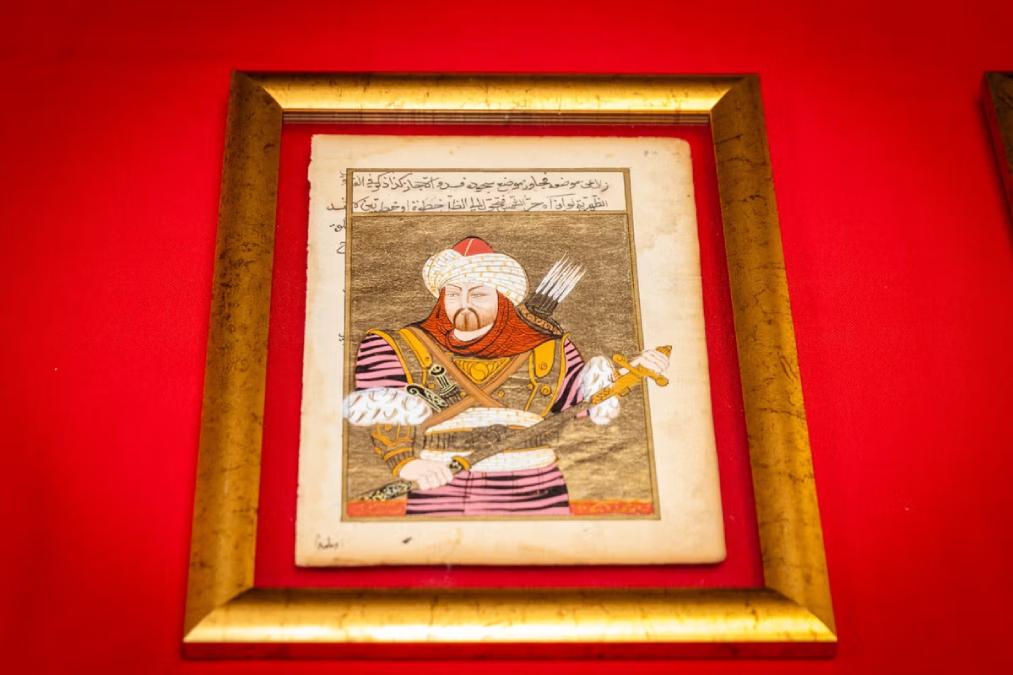
Canada has returned a group of historical artifacts to Türkiye in what officials describe as the first official repatriation case between the two countries.
The handover was announced by the Government of Canada ahead of a ceremony in Ottawa. Canadian authorities described the works as illegally imported cultural property, placing the case inside Canada's formal legal framework for cultural protection rather than inside a discretionary diplomatic process.
That distinction gives the case weight. This was not presented as a symbolic gesture. It was handled through Canada's cultural property system, with the return tied to legal procedures and state action.
Canada Border Services Agency guidance states that cultural property illegally exported from countries covered by the 1970 UNESCO convention can be detained and returned under the Cultural Property Export and Import Act. That legal framework has now been used in a case involving Türkiye.
For Ankara, the value of the case goes beyond the number of objects returned. Canada is now part of a recovery map that has widened year by year through customs seizures, criminal investigations, provenance research and direct engagement with foreign authorities and institutions.
That broader pattern has already appeared in Bosphorus News coverage. In New York Returns 43 Antiquities to Türkiye, authorities in the United States returned dozens of artifacts after an investigation led by the Manhattan District Attorney's Antiquities Trafficking Unit. That case showed how recovery efforts increasingly move through prosecutors and law enforcement channels, not only through diplomacy.
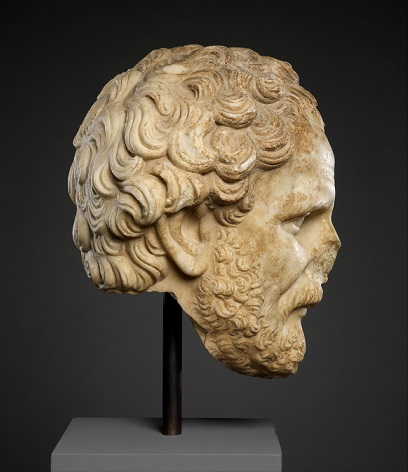
A second track runs through Türkiye's own institutions. In Minister Hands Over Angel Statue to Greek Patriarchate, Expands Cultural Heritage Drive, officials described a wider policy that combines excavation, preservation, seizures and repatriation. The effort is not limited to bringing objects home. It also aims to build a stronger domestic system for tracing, claiming and preserving them once they return.
The Canada case now sits inside that same policy line. One recovery came through a prosecutor's office in New York. This one moved through Canada's cultural property framework. The jurisdictions are different, but the direction is the same. Türkiye is pressing its claims across a wider legal field.
Türkiye's own records show that these returns are no longer isolated episodes. The Culture and Tourism Ministry tracks recoveries from the United States, the United Kingdom, Germany and Italy, among others. Canada now enters that same file.
The Ottawa handover gives Türkiye one more formal result in a campaign that has been widening for years. Another jurisdiction has now recognized the basis of Ankara's claim and returned the objects.