
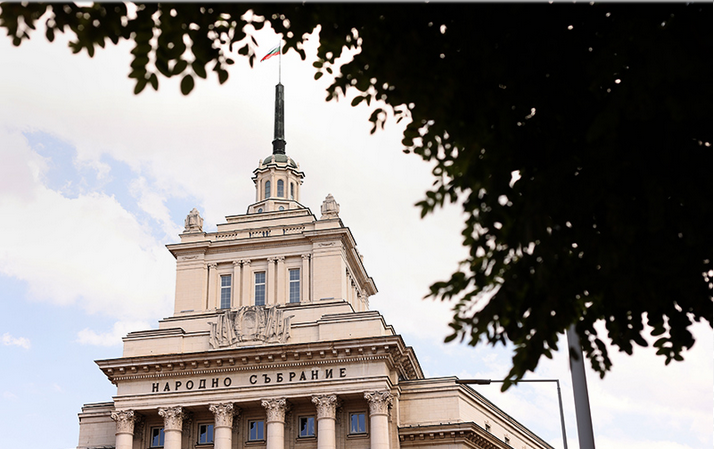
Bulgaria's Government Resigns Following Nationwide Protests
Bulgaria's government, led by Prime Minister Rosen Zhelyazkov, resigned on 11 December 2025 after weeks of mounting anti-corruption protests across the country. The decision came on the eve of a parliamentary no-confidence vote and only weeks before Bulgaria is scheduled to adopt the euro on 1 January 2026.
In a televised statement, Zhelyazkov said the resignation reflected the will of a broad segment of Bulgarian society. He noted that citizens from "all ages, regions and backgrounds" had voiced dissatisfaction with the government and insisted that the public's democratic energy should be respected.
Why the Protests Erupted
The unrest began at the start of December, triggered by the government's proposed 2026 budget, which included tax increases and higher social security contributions. Critics quickly described the draft as a symptom of deeper structural problems: entrenched corruption, opaque governance, and long-standing economic grievances.
Although the government withdrew the controversial budget proposal, demonstrations continued. Protesters broadened their demands to include judicial reforms, accountability from political elites, and limits on oligarchic influence in state institutions.
Large rallies filled the streets of Sofia, where crowd estimates exceeded 100,000 people, and parallel demonstrations took place in Plovdiv, Varna, Burgas and other major cities. Notably, student groups and younger generations played a prominent role, turning the movement into a nationwide expression of frustration.
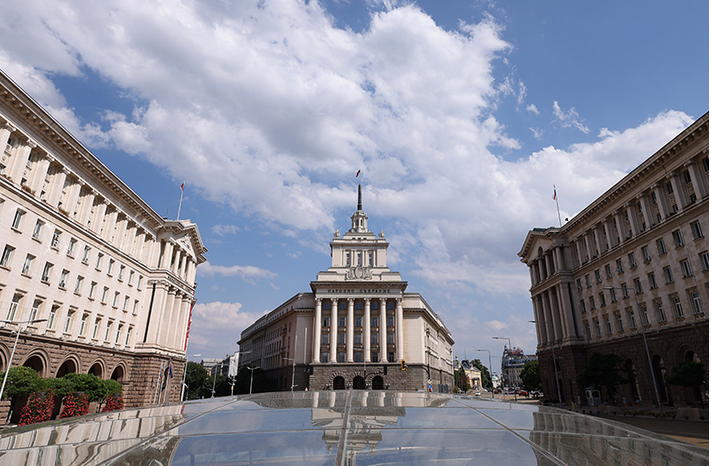
Political Instability and the Eurozone Transition
Bulgaria has experienced repeated episodes of political instability in recent years, with multiple snap elections and short-lived coalition governments. Analysts point to chronic public distrust in institutions, concerns over economic stagnation, and an ongoing struggle to address corruption as key factors driving this cycle.
Despite the government's resignation, officials in Sofia and Brussels have indicated that Bulgaria's eurozone accession is still expected to proceed as planned. The transition is considered a strategic step for Bulgaria, even as the political environment remains volatile.
President Rumen Radev is now expected to consult political parties on forming a new government. If negotiations fail, the president will likely appoint a caretaker administration and call yet another round of early elections — a now-familiar pattern in Bulgaria's recent political life.
Regional and European Implications
Bulgaria's crisis reflects broader tensions seen across parts of Eastern Europe, where citizens continue to mobilize against corruption, economic inequality and political stagnation. For the European Union, the situation is a reminder that institutional reforms and public trust are essential for long-term democratic stability.
For Bulgaria, the immediate challenge will be ensuring continuity during its euro adoption while addressing the public's demands for accountability and reform. How the country manages this transition could shape its political and economic trajectory well beyond 2026.