
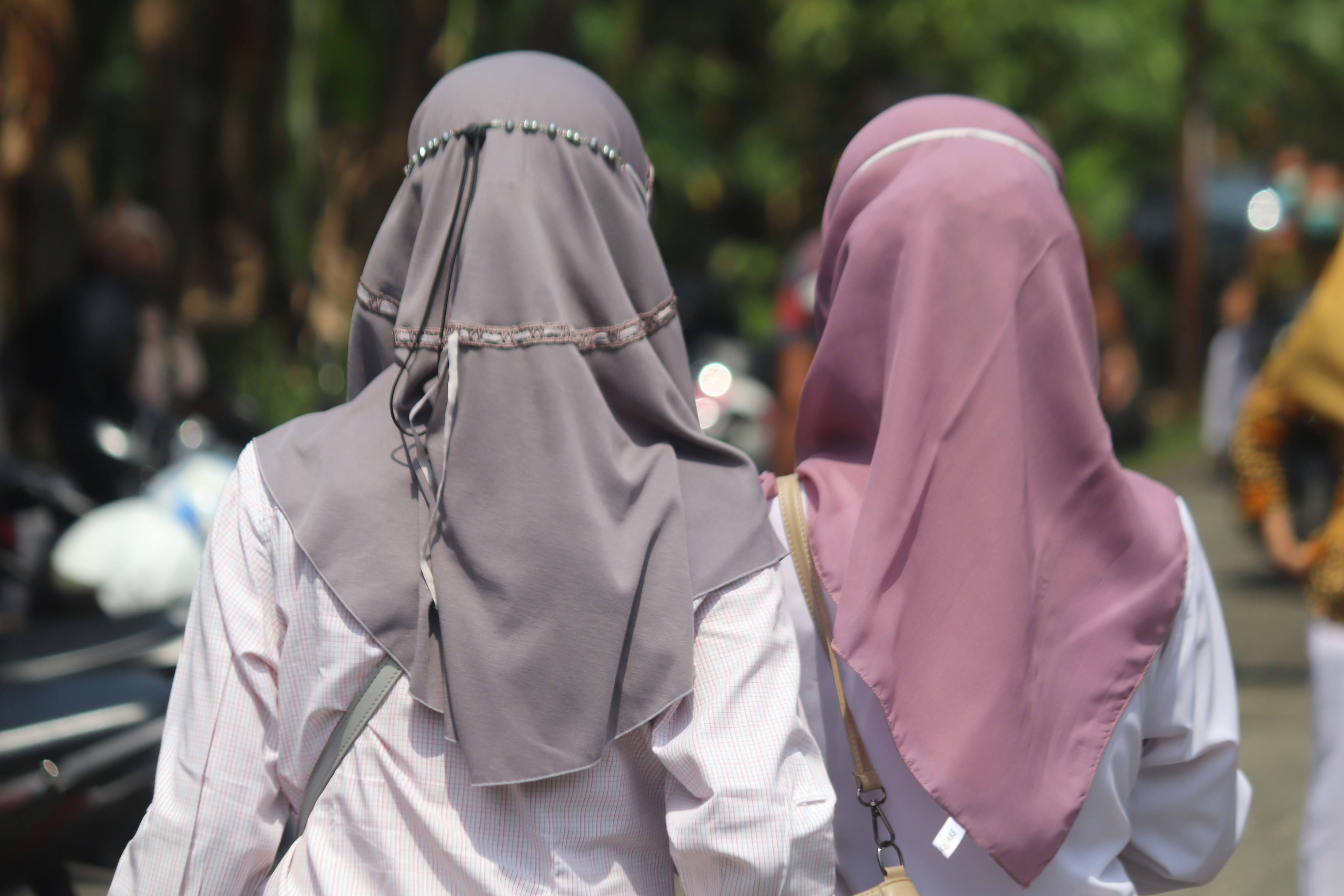
Austria is preparing to implement a new nationwide ban on headscarves for girls under the age of 14 after the country's Education Committee voted in favor of the measure, according to the official parliamentary record published on Parlament.gv.at.
The committee's approval represents the most significant legislative advance yet for the proposal, which would apply to all public and private schools, including religious institutions. The bill is expected to move to the National Council (Nationalrat) for a full vote in the coming weeks.
What the Parliamentary Record Shows
According to the parliamentary summary, members of the governing coalition supported the measure, arguing that the law is intended to ensure "free, visible and equal participation" of girls in school life. Opposition voices within the committee criticized the move, warning that such a ban could stigmatize Muslim students and lead to unnecessary legal disputes.
The report specifies that the text of the legislation prohibits head coverings "that cover the whole head according to Islamic tradition" for students up to age 14 — the end of compulsory lower secondary schooling in Austria.
Two-Phase Implementation Plan
The parliamentary document outlines a two-phase rollout:
- Awareness and Guidance Phase – Schools will first focus on informing families and encouraging voluntary compliance.
- Sanctions Phase (from school year 2026/27) – If the ban becomes law, parents who repeatedly send their daughters to school wearing the prohibited headscarf may face administrative fines. Schools may also apply disciplinary procedures, though details remain under review.
Government's Position
Integration Minister Susanne Raab and Education Minister Martin Polaschek have consistently framed the ban as a measure intended to support children's rights and prevent early religious pressure on girls. Austrian officials argue that the decision targets not Islam as a religion, but practices which they claim restrict a child's autonomy.
Criticism From Civil Society
Human rights groups and child-protection organizations in Austria have spoken publicly against the proposal. Some warn that the ban may push affected students into social isolation or alternative schooling arrangements, potentially undermining integration efforts.
Austrian Muslim organizations have also indicated that they may pursue legal challenges if the bill is enacted, arguing that it infringes on religious freedom and parental rights.
Next Steps
With the committee vote completed, the bill now moves toward plenary debate in the National Council. If adopted, it would become Austria's second attempt at regulating headscarves in schools, after a 2019 version of the law was struck down by the Constitutional Court.
The new proposal has been drafted more narrowly, targeting specific age groups and outlining a phased enforcement process — an approach lawmakers hope will withstand constitutional scrutiny.