
Murat Özsoy
Ankara's heart is Altındağ, a district that truly earns its name with its rich array of museums, monuments, caravanserais, baths, and historic and cultural landmarks. Altındağ has stood at the center of Ankara's development since ancient times, with settlement traces dating back as far as the 4000s BCE. The area bears the imprint of thinkers, architects, and statesmen such as Hacı Bayram-ı Veli, Mimar Sinan, and Cenâb-ı Ahmet Paşa.
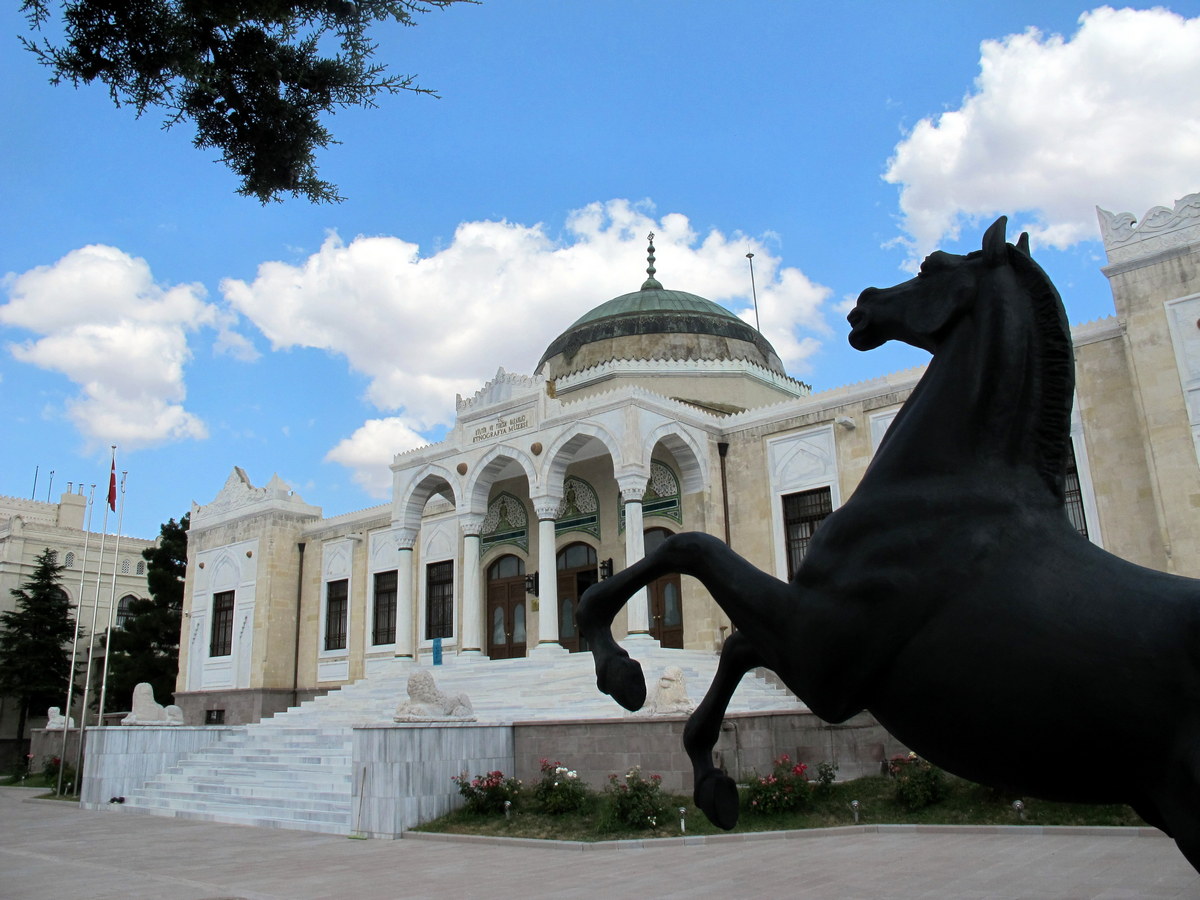
Altındağ is home to one of the world's most important archaeology museums — the Museum of Anatolian Civilizations — alongside institutions such as the Ethnography Museum, the Ziraat Bank Museum, and several sports and history museums. Nearly thirty Seljuk and Ottoman-era mosques still stand in the district, forming a layered and enduring cultural mosaic.
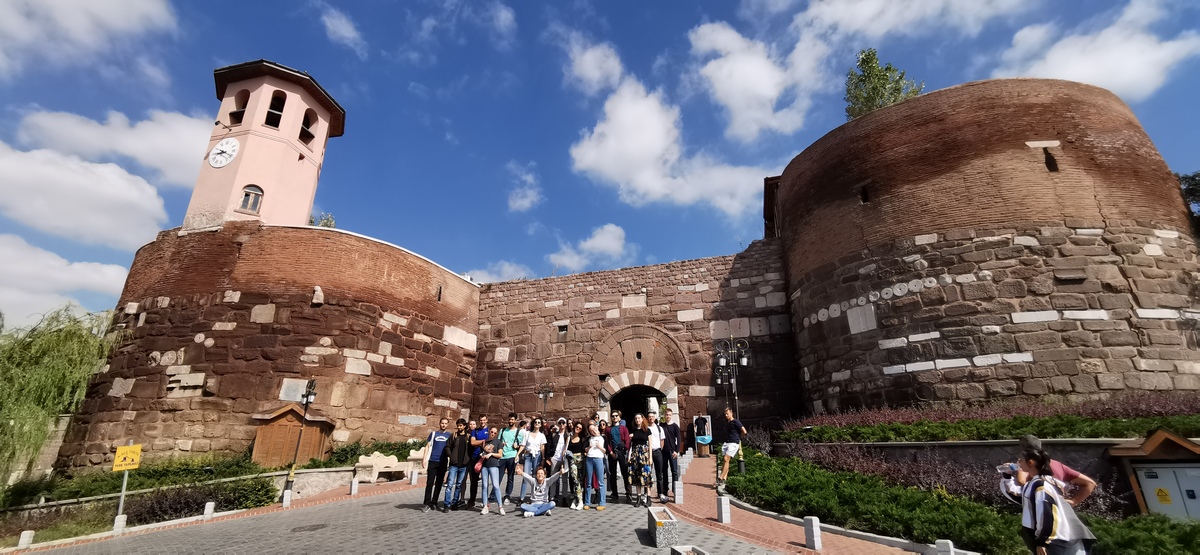
The Ankara Citadel, rising on a dominant hill approximately 850 meters above the plain, has served both defensive and residential purposes across centuries. Its earliest foundations predate Roman settlement, while visible architectural layers reflect Galatian, Roman, Byzantine, and later periods.
Walking through Altındağ today feels like moving through a living open-air archaeological site. Visitors encounter the Ulus Roman Theatre, Roman bath ruins, and Byzantine remains, standing side by side with Seljuk caravanserais such as Çengel Han and Sulu Han, reminders of Ankara's long-standing role as a center of trade and cultural exchange.
Anatolian Tolerance Reflected in Sacred Architecture
One of the most striking illustrations of Anatolia's tradition of tolerance can be found around the Hacı Bayram Mosque, one of Ankara's most important religious landmarks. Built in the early 15th century, the mosque stands adjacent to the Temple of Augustus, constructed in the 1st century BCE as a symbol of loyalty to the Roman Emperor. The temple walls preserve an extensive inscription in Latin and Greek honoring the deified Augustus.
Following the spread of Christianity, the temple was adapted for Christian worship. When Turkish rulers took control of Ankara in the early 15th century, the Hacı Bayram Mosque was built alongside the northern edge of the ancient structure. The physical coexistence of a pagan temple, a Christian place of worship, and an Islamic mosque represents a concrete expression of Anatolia's long-standing culture of tolerance. From the 8th century BCE to the present, religious structures of different faiths have stood together, woven into the same urban fabric.
Nearby stands Julian's Column, a 14.5-meter Roman monument believed to commemorate the visit of Emperor Julian to Ankara. Known locally as Belkıs Minaret, the column adds yet another layer to the city's multi-civilizational identity.
A Living Cultural Mosaic
Altındağ's historic caravanserais and bathhouses further enrich this cultural landscape. Çengel Han, now functioning as a cultural venue, and Sulu Han reflect the commercial life of the Ottoman era, while the Roman Bath complex offers insight into the public life of antiquity.
The district's museums deepen this sense of continuity. The Museum of Anatolian Civilizations presents artifacts from the Paleolithic and Neolithic periods through the Bronze Age, Assyrian trade colonies, Hittite, Phrygian, and Urartian civilizations. Nearby museums dedicated to the War of Independence and the Early Republican period highlight the modern chapters of Anatolia's historical journey.
Altındağ's streets, monuments, and institutions together embody the idea of an Anatolian mosaic — a space where diversity has not erased identity, but shaped it. The district stands as a living testament to how tolerance, coexistence, and cultural layering have defined Anatolia for millennia.
*** Credit: Original cultural inspiration and insights adapted from "Anadolu mozaiği, Anadolu hoşgörüsü" at Zorba TV