
The Status of Christian Minorities
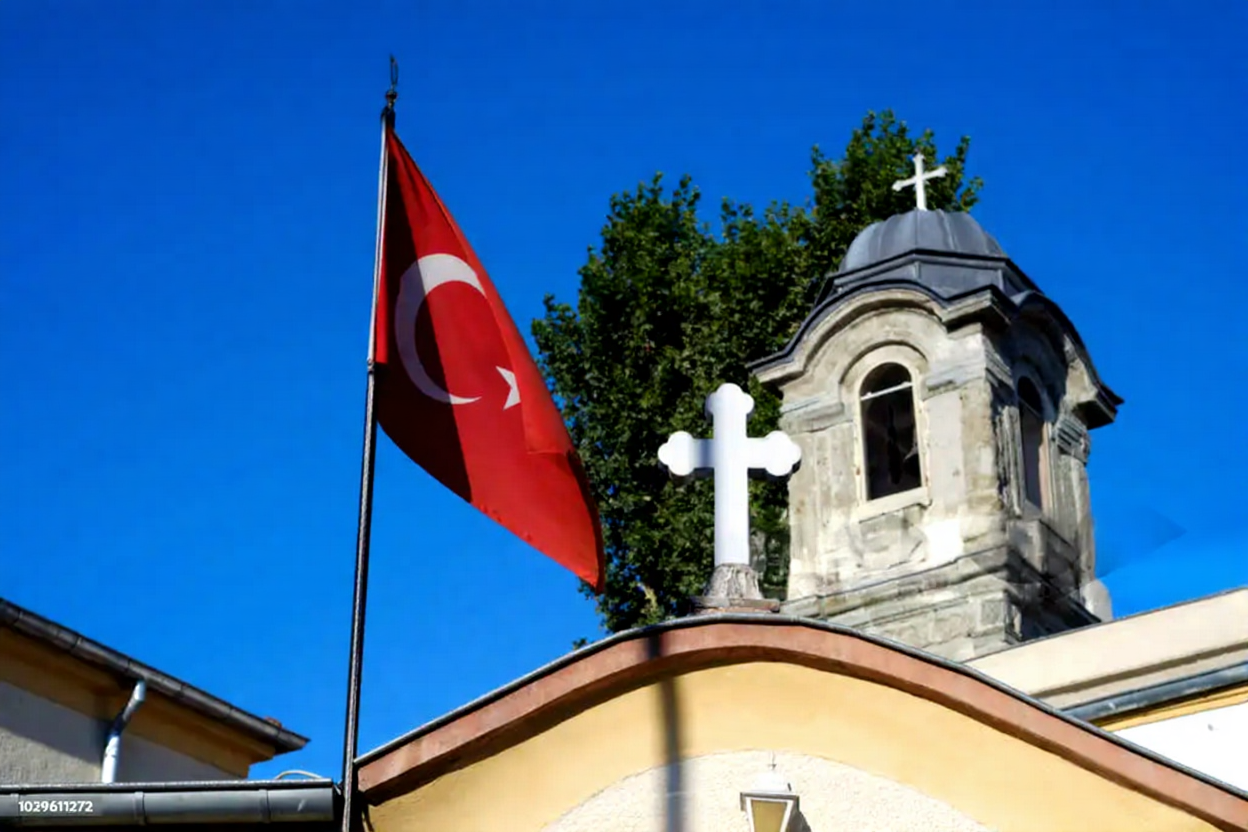
Türkiye, the historical cradle of early Christianity, is currently facing international scrutiny regarding the viability of its remaining Christian population. A significant new report, "The Persecution of Christians in Turkey," published by the European Centre for Law and Justice (ECLJ), synthesizes extensive data to document the complex institutional and societal challenges that continue to marginalize these communities.
The analysis highlights an extraordinary demographic change: Christian communities that constituted approximately 20% of the population in 1915 now represent a fragile 0.3%, or roughly 257,000 individuals. The report frames this decline not as a random event, but as the cumulative result of historical violence, forced displacement, and a restrictive legal framework that has prioritized a national identity intrinsically tied to Sunni Islam.
The core finding is that contemporary policies have created an environment where Christian faith groups struggle for basic institutional continuity, an issue that continues to draw concern from international bodies like the U.S. Commission on International Religious Freedom (USCIRF).
Institutional and Legal Obstacles to Community Life
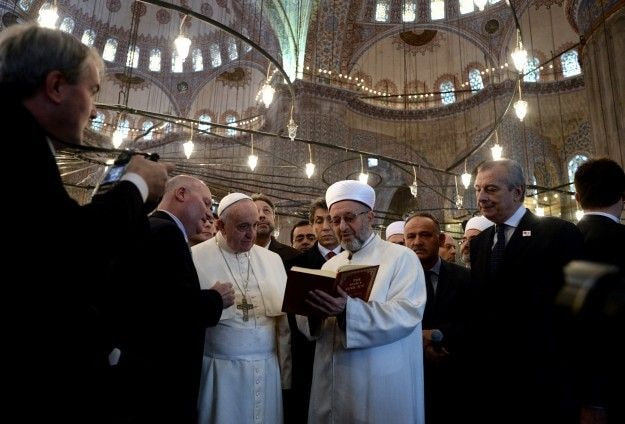
The primary difficulty facing non-Sunni faith groups in Türkiye is a lack of full legal recognition, which severely limits their ability to function.
- The Lausanne Treaty Constraint: The state operates under a narrow interpretation of the 1923 Treaty of Lausanne, which officially recognizes only Greek Orthodox, Armenian Apostolic, and Jewish communities. This leaves other groups, particularly Protestant and Catholic congregations, struggling for legal status. Without the designation of a "legal personality," these groups face immense hurdles in securing and maintaining property, hiring staff, and administering religious services.
- Property and Heritage: The ECLJ dossier details instances of property disputes and expropriations of community foundations. For example, some ancient communities have been denied registration for land titles related to historic properties, effectively jeopardizing their financial and institutional stability.
- Training and Succession: Perhaps the most critical long-term issue is the government's continued blockage of clergy training. The long-term closure of the historic Halki Theological School has crippled the institutional capacity of the Orthodox Church to train its own spiritual leaders within the country. Similarly, the Protestant community has had to rely on internal apprenticeships and foreign support due to the absence of domestic religious education facilities.
A Climate of Societal Hostility and Violence
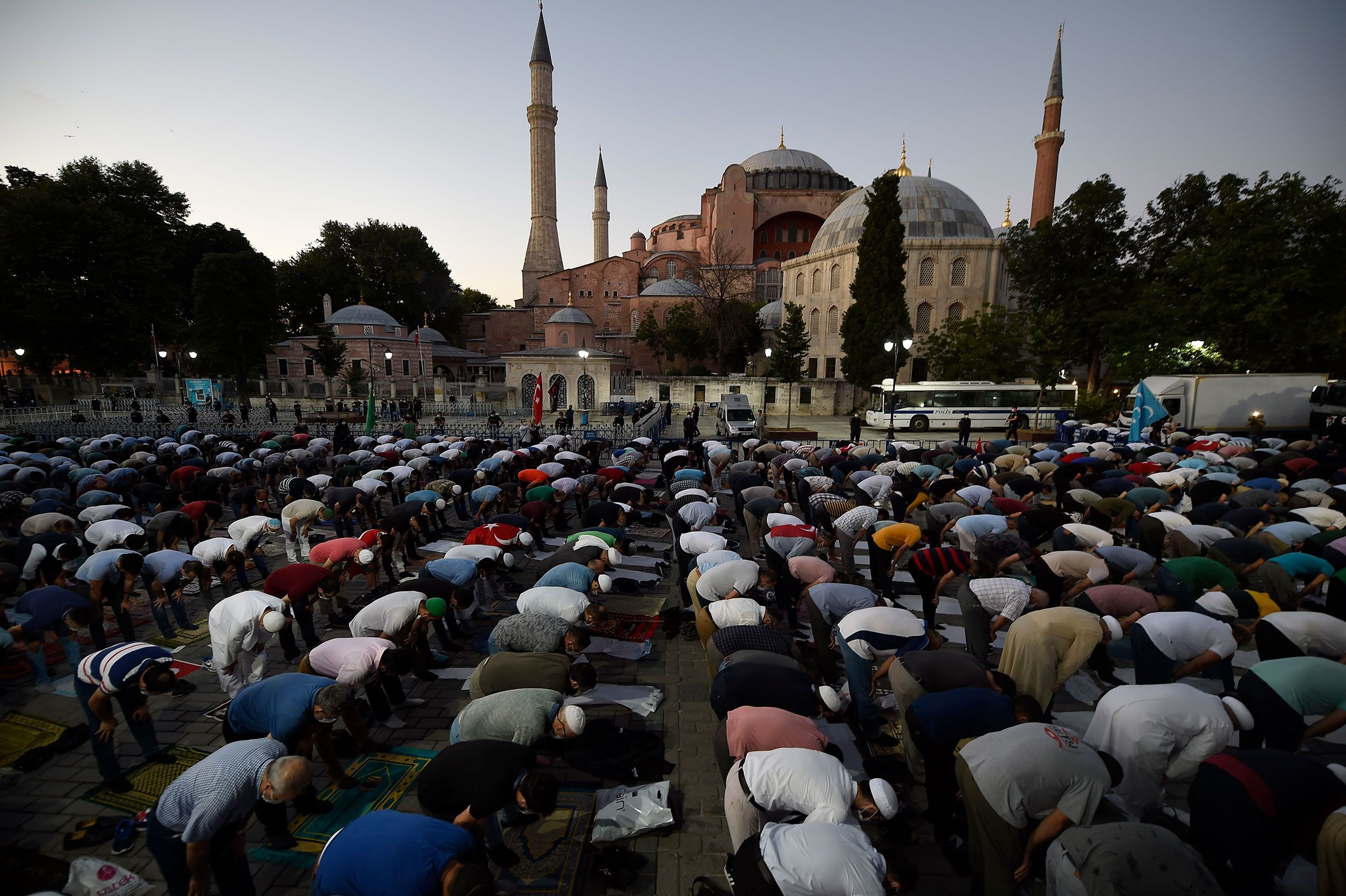
Beyond institutional hurdles, Christian citizens and residents must navigate a pervasive social environment that several reports refer to as "normalized hate."
Data from the Turkish Association of Protestant Churches' Human Rights Violation Report noted an increase in both written and oral hate speech directed at Christians in 2024. This societal hostility is frequently amplified in political and media narratives that portray Christian workers as "foreign, suspect, or a threat to national security."
This rhetoric has correlated with real-world violence:
- The January 2024 attack by Islamist militants on the Santa Maria Roman Catholic Church in Istanbul, which resulted in a fatality, served as a stark reminder of the security vulnerabilities.
- Recurring attacks on sites like the Çekmeköy Protestant Church have been noted, incidents that, critics argue, are rarely designated as hate crimes, reinforcing a sense of impunity and vulnerability within the community.
The severity of this situation has been acknowledged globally, with Open Doors placing Türkiye on its World Watch List of nations where Christians face "very high" persecution, citing an increase in violence targeting church properties and believers.
The Targeting of Foreign Clergy
A key governmental policy affecting the Christian faith is the systematic use of administrative tools to restrict or expel foreign-born Christian workers. Authorities have increasingly invoked vague "national security" grounds to issue entry bans or deny residence permit renewals to long-term expatriate Christians, including pastors and religious staff.
Since 2019, over 100 foreign Christians have been targeted, impacting hundreds of family members, some of whom are Turkish citizens. The frequent use of restrictive immigration codes, such as N82 and G87, has disrupted families and left many congregations without critical spiritual leadership, a phenomenon that international legal observers have suggested does not align with Turkey's constitutional and international commitments to religious freedom.
The ECLJ report concludes by urging Ankara to take tangible steps to translate constitutional guarantees into practice, including recognizing the legal personality of all Christian groups, protecting property rights, and aligning domestic rules with international human rights standards. These steps are presented as necessary to ensure that Türkiye's ancient Christian communities can endure and contribute fully to the nation's diverse fabric.
- Read the full report here: The Persecution of Christians in Turkey (ECLJ)