
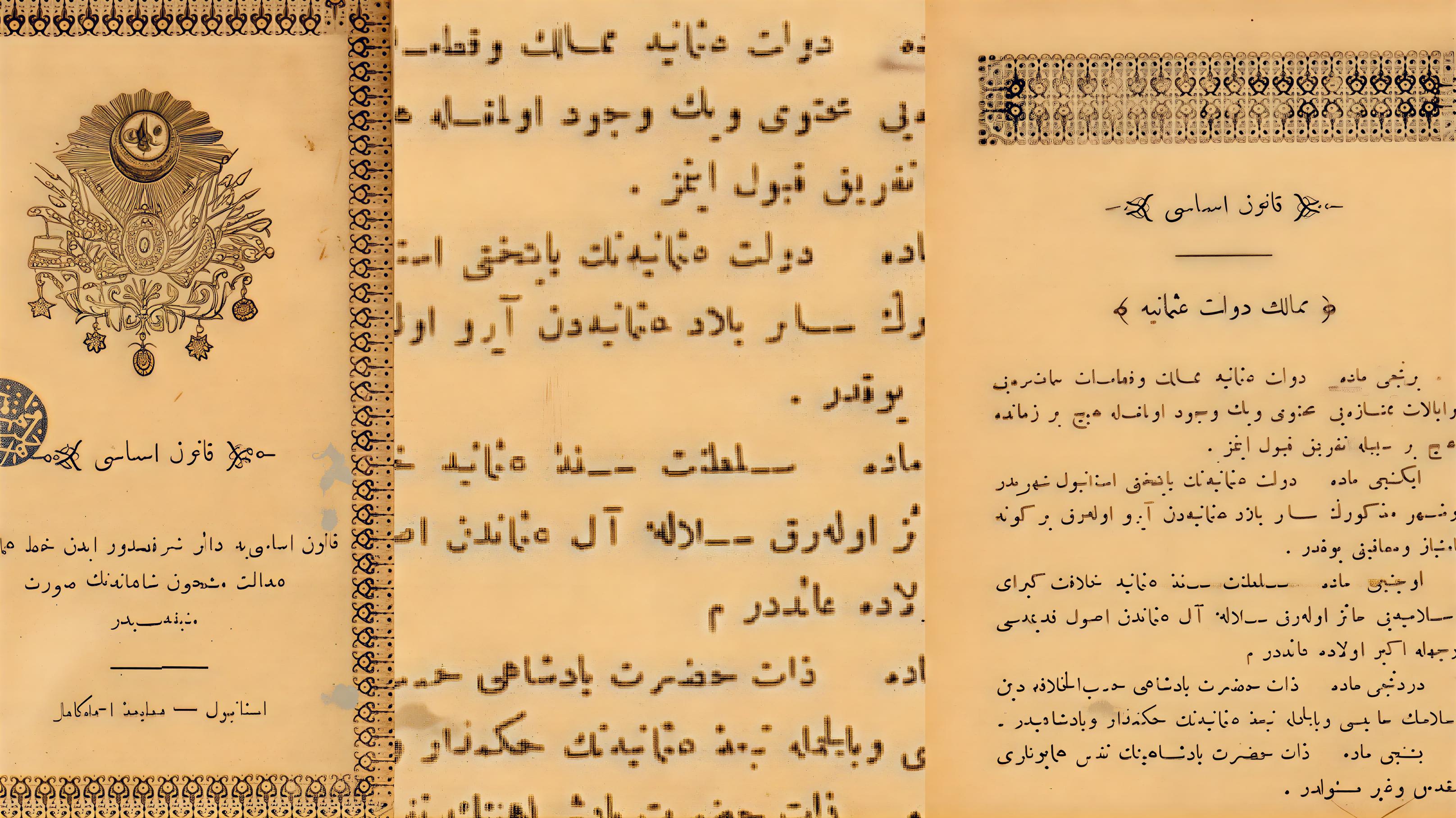
In 1876, that is, about forty-four years before the dissolution of the Ottoman Empire, Kanun-i Esasi was declared, and the debates that took place then closely resemble the current debates on the "new constitution."
While discussions about the constition were ongoing in Istanbul, the Westminster Gazette published in England on 15.11.1876 gave the following news: "According to one article being discussed in the constitution, from now on the various nationalities of the Ottoman State will be able to read, write, and apply to the state in their own languages. Thus, very soon, it will also become possible for each nationality to attain its own autonomous administration. Non-Turkish natives will be freed from the obstacles of the Turkish language, which is a backward culture."
The language provision in the Kanun-i Esasi prepared by Mithat Pasha read: "Each member of the Ottoman people is free to be educated and to speak in their own language." In other words, every subject of the Ottoman Empire was free to receive education and speak in their own language.
During the discussion of the language article in the Constitution preparation commission, Bahattin Dai Efendi from Tripoli made the following proposal: "Our Prophet speaks Arabic. Every sultan learns Arabic so as not to fall victim to the barrenness of Turkish. How can you explain the constitution to these different peoples in Turkish? Therefore, every element should have its own school, newspaper, clerk, and office."
After long discussions, the constitution preparation commission found a middle way. The 18th article of the draft became as follows in today's Turkish: "Each group living in the Ottoman country has the autonomy in education and instruction in their own language. But in order to serve in the state, it is obligatory to know Turkish, which is the official language of the state."
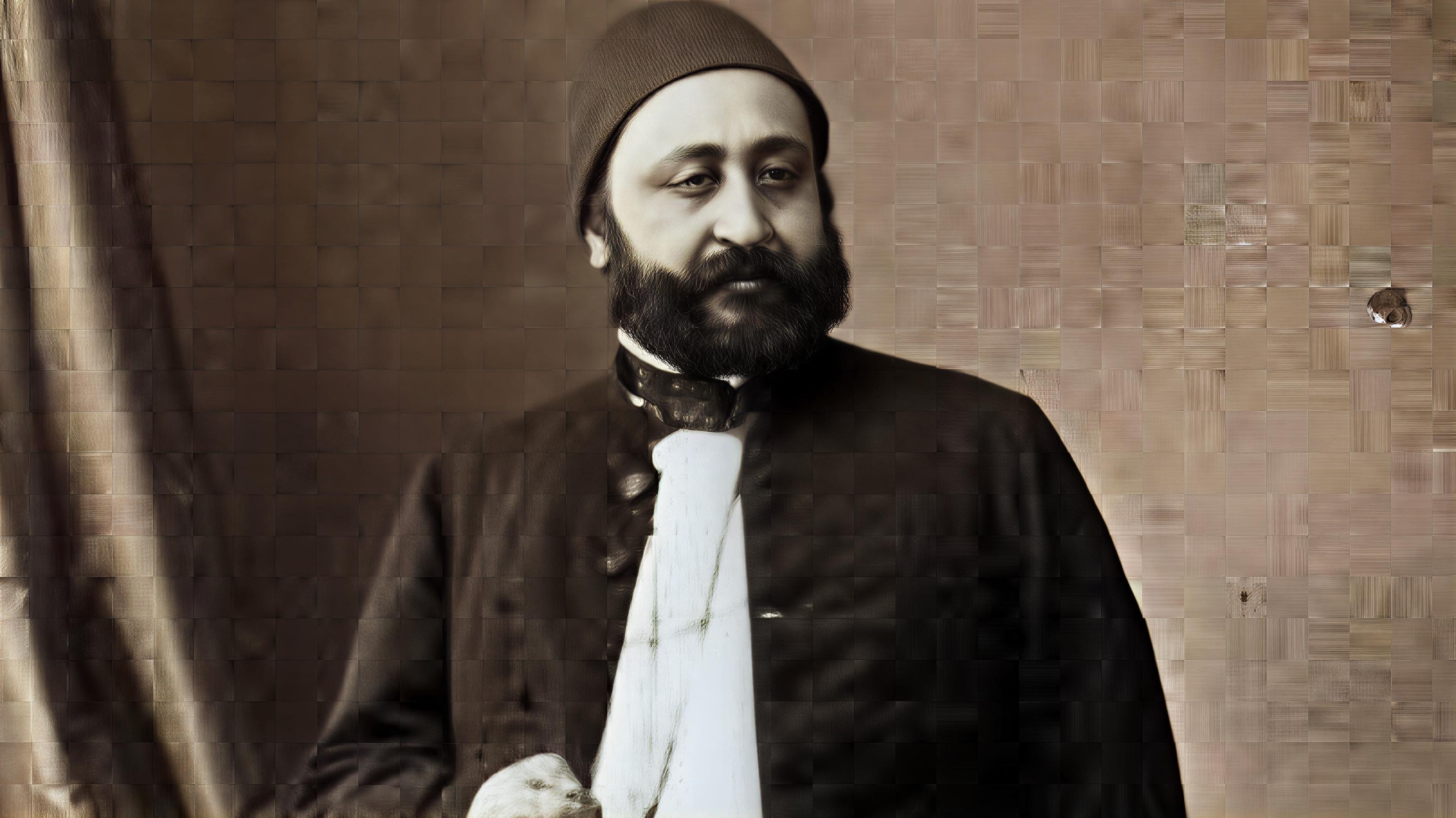
Only Sait Pasha from Eğin objected to this text and submitted a report to Sultan Abdülhamid. Being informed of the situation, Sultan Abdülhamid summoned Mithat Pasha and warned him as follows: "Pasha, they should have known; just as I do not give up reading the Quran in Arabic, I cannot accept anything other than speaking Turkish and the Turkish language on the lands of my state. Do not bring me a Kanun-u Esasi (constitution) that contains such an article."
Syrian deputy Nevfël, Armenian deputy Hanazap from Erzurum, and Istanbul deputy Vasiliki Efendi prepared a joint proposal to change the state language. According to this, "The article stating that the official language of the Ottoman State is Turkish should be amended, and Greek and Armenian should also be accepted as official languages besides Turkish."
Seeing the proposal, Parliament Speaker Ahmet Vefik Pasha angrily said, "What kind of ingratitude and disloyalty is this!.. You still write and speak in your own language at home, in your schools and books, and you owe this opportunity to the generosity of this state. Do not submit your proposal. Let me not hear it either," and rejected it.
This is how he dealt with it...