
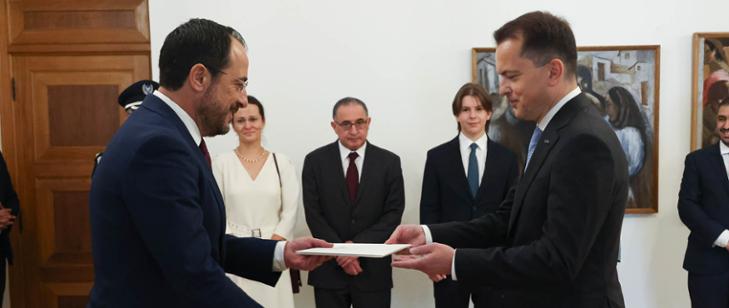
A diplomatic row brewing in the Eastern Mediterranean has exposed a rare and unsettling fracture in Ankara's usually sharp foreign policy apparatus. Following explosive allegations by a Polish diplomat accusing Türkiye of orchestrating disinformation campaigns in Cyprus, the Turkish Foreign Ministry's lack of a robust public response has triggered anger and confusion among diplomatic insiders and seasoned observers in Ankara.
The Allegations
The controversy erupted earlier this week when an official from the Polish Embassy in Nicosia, serving under Ambassador Marek Szczepanowski, presented a report claiming that "Türkiye and institutions affiliated to the occupied side" were actively conducting disinformation and propaganda campaigns within Cyprus.
The presentation went further, alleging these campaigns were designed to:
- Depict the Republic of Cyprus as unstable and reliant on external powers.
- Sow discord between Cyprus and Arab or Islamic nations.
- Justify a continued Turkish presence on the island.
While the Polish Embassy later issued a "clarification" stating there was "no intention to place responsibility on the Turkish state," the walk-back has been dismissed by critics as a "non-apology" that failed to erase the sting of the original accusation.
The "Ghost" in the Room: Ankara's Inactivity
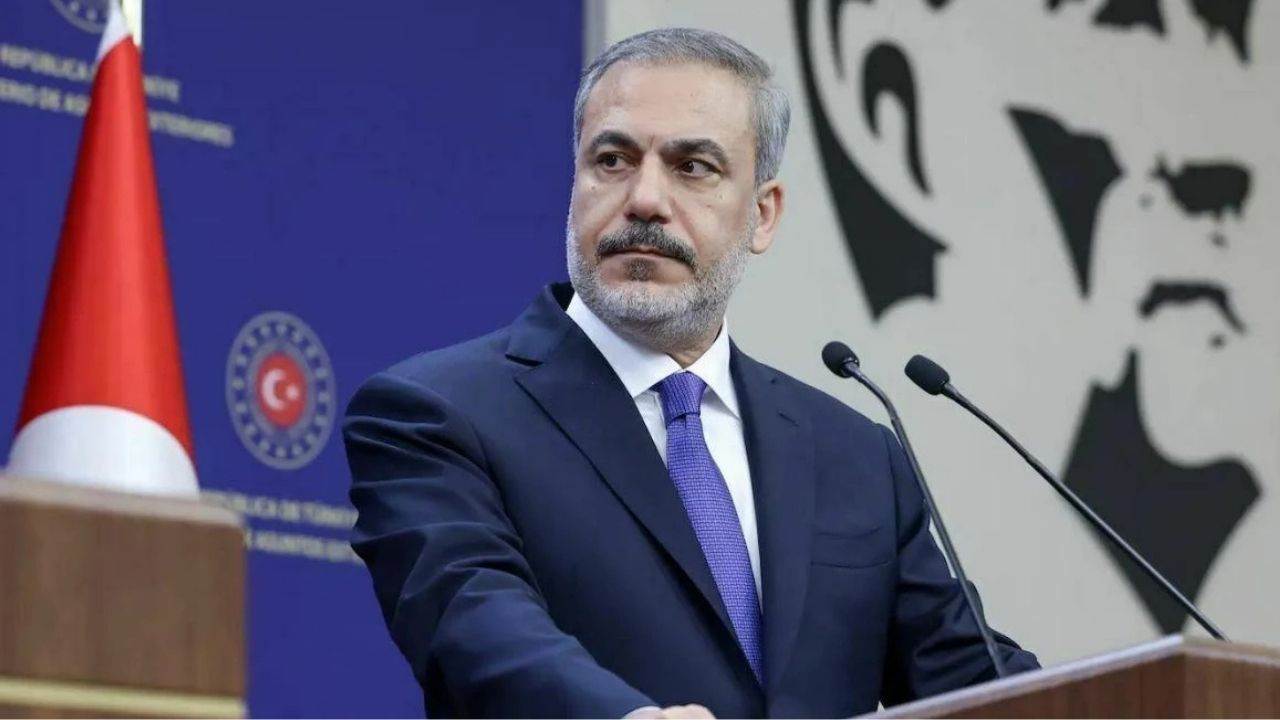
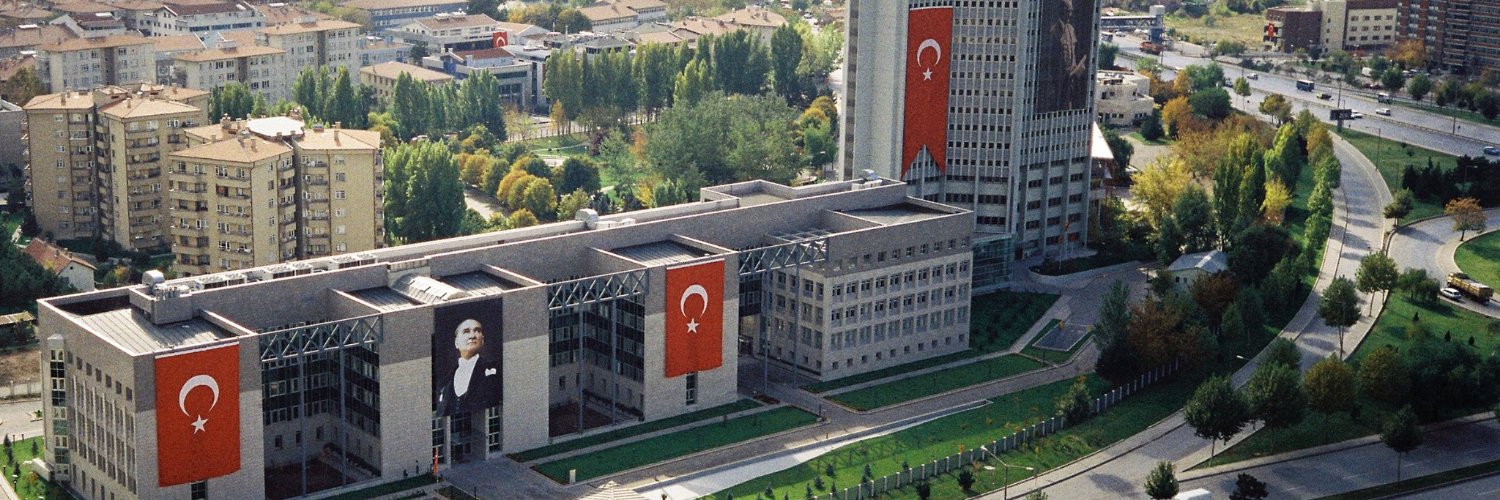
Typically, the Turkish Ministry of Foreign Affairs (MFA) is quick to dismantle such accusations. Yet, days after the story broke, the corridors of the MFA in Ankara remain quiet. There has been no summoning of the Polish Ambassador, no harsh rebuke from Minister Hakan Fidan, and no official press release condemning the characterization of Turkish activities as "disinformation."
This silence is deafening to those familiar with the matter.
"It is baffling," said one Ankara-based foreign policy analyst who requested anonymity. "We have a NATO ally's diplomatic mission essentially accusing us of waging hybrid warfare in Cyprus, and the response from our side is radio silence. It creates a perception of weakness that is dangerous in this region."
Growing Frustration in Diplomatic Circles
Sources close to the issue indicate that the frustration is not limited to pundits. Within the lower rungs of the state bureaucracy, there is reportedly distinct discomfort with the lack of a "green light" to respond.
Critics argue that by failing to publicly challenge Ambassador Szczepanowski's team, Türkiye is tacitly allowing a new narrative to take root in the EU: that Türkiye is a source of "Russian-style" disinformation in the Mediterranean.
Why the Silence? Speculation regarding the inactivity varies:
- Strategic Patience: Some suggest Ankara is avoiding a spat with Poland to preserve leverage for upcoming EU talks during the Polish Presidency of the Council of the EU.
- Bureaucratic Inertia: Others fear the focus on broader regional conflicts (Gaza, Ukraine) has left the Cyprus desk under-resourced or overlooked.
A "Weak" Walk-Back
The Polish Embassy's subsequent statement—claiming the mention of Türkiye was merely "contextual"—has done little to quell the anger. For Turkish observers, the damage is already done. The allegations were made in an official capacity, recorded by the press, and now sit on the record, unchallenged by the state they targeted.
As of Sunday evening, the Turkish public and diplomatic community are still waiting for Ankara to speak up. The question remains: "Is this a calculated diplomatic pause, or a worrying sign of fatigue in Türkiye's foreign policy machinery?"