
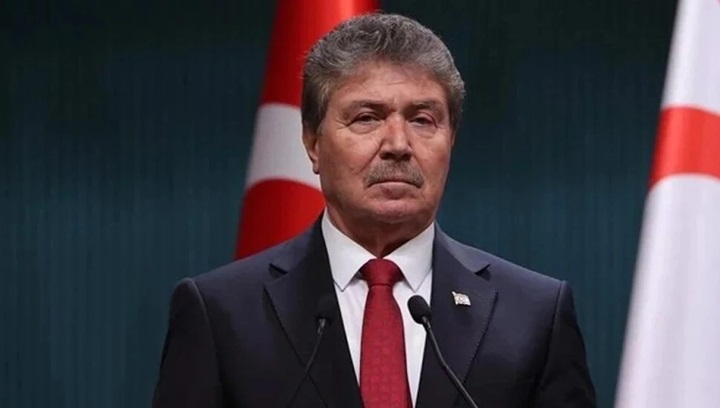
Ünal Üstel, Prime Minister of the Turkish Republic of Northern Cyprus, has issued a firm response to recent trilateral messaging involving Israel, Greece and the Greek Cypriot administration, cautioning that any military or security framework that sidelines Turkish Cypriots—or Türkiye—is neither legitimate nor durable.
Üstel's remarks follow public statements and visuals from high-level meetings among the three parties, which the TRNC government interprets as signaling deeper security coordination in the Eastern Mediterranean without the participation or consent of the island's Turkish Cypriot community.
"Stability Cannot Be Built by Exclusion"
Üstel rejected portrayals of the trilateral format as neutral or purely defensive, arguing that initiatives which overlook the political and legal realities of Cyprus risk institutionalizing imbalance rather than enhancing regional security.
"No military plan that targets, marginalizes, or bypasses the Turkish Cypriot people—or Türkiye—can be legitimate or sustainable," Üstel said, stressing that such approaches undermine prospects for lasting stability.
The Eastern Mediterranean Test
From Lefkoşa's perspective, the Eastern Mediterranean has increasingly become a theater of selective partnerships, particularly in energy and security. Üstel warned that embedding regional disputes into rigid military alignments could export instability rather than contain it.
He added that attempts to redraw the region's security map through fait accompli arrangements ignore the island's unresolved status and the principle of political equality between the two communities.
Türkiye as a Core Stakeholder
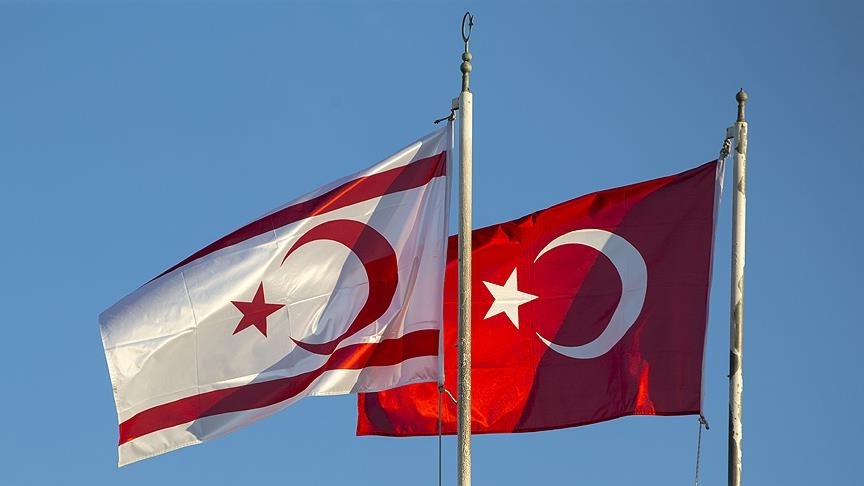
Üstel underscored Türkiye's role as a guarantor power and a central stakeholder in the Eastern Mediterranean, noting that Ankara's presence and responsibilities are grounded in international agreements and longstanding commitments.
He cautioned that treating Türkiye as an external disruptor—rather than an indispensable participant—reflects a misreading of regional realities and complicates any effort to build inclusive security mechanisms.
Cyprus Question: The Unavoidable Reality
The TRNC leadership reiterated that regional security architectures cannot be divorced from the Cyprus question. Üstel argued that the Greek Cypriot administration cannot claim exclusive authority over the island while entering strategic or military arrangements that affect all Cypriots.
According to the TRNC government, durable solutions require recognition of the political equality of Turkish Cypriots and inclusive decision-making, not unilateral diplomacy backed by external alignments.
A Message Beyond the Region
Üstel also addressed international partners, warning that support for exclusionary frameworks risks entrenching division rather than facilitating cooperation.
"Peace and stability do not emerge from blocs that ignore half the island," he said, calling for dialogue and mechanisms that reflect realities on the ground.
The Broader Signal
Northern Cyprus's response highlights mounting concern in Lefkoşa over shifting security dynamics in the Eastern Mediterranean. While trilateral formats are framed by their proponents as stabilizing, TRNC officials see them as deepening polarization.
For the Turkish Cypriots, the message is explicit: any regional security plan that excludes them—and Türkiye—is not a pathway to stability, but a source of further tension.